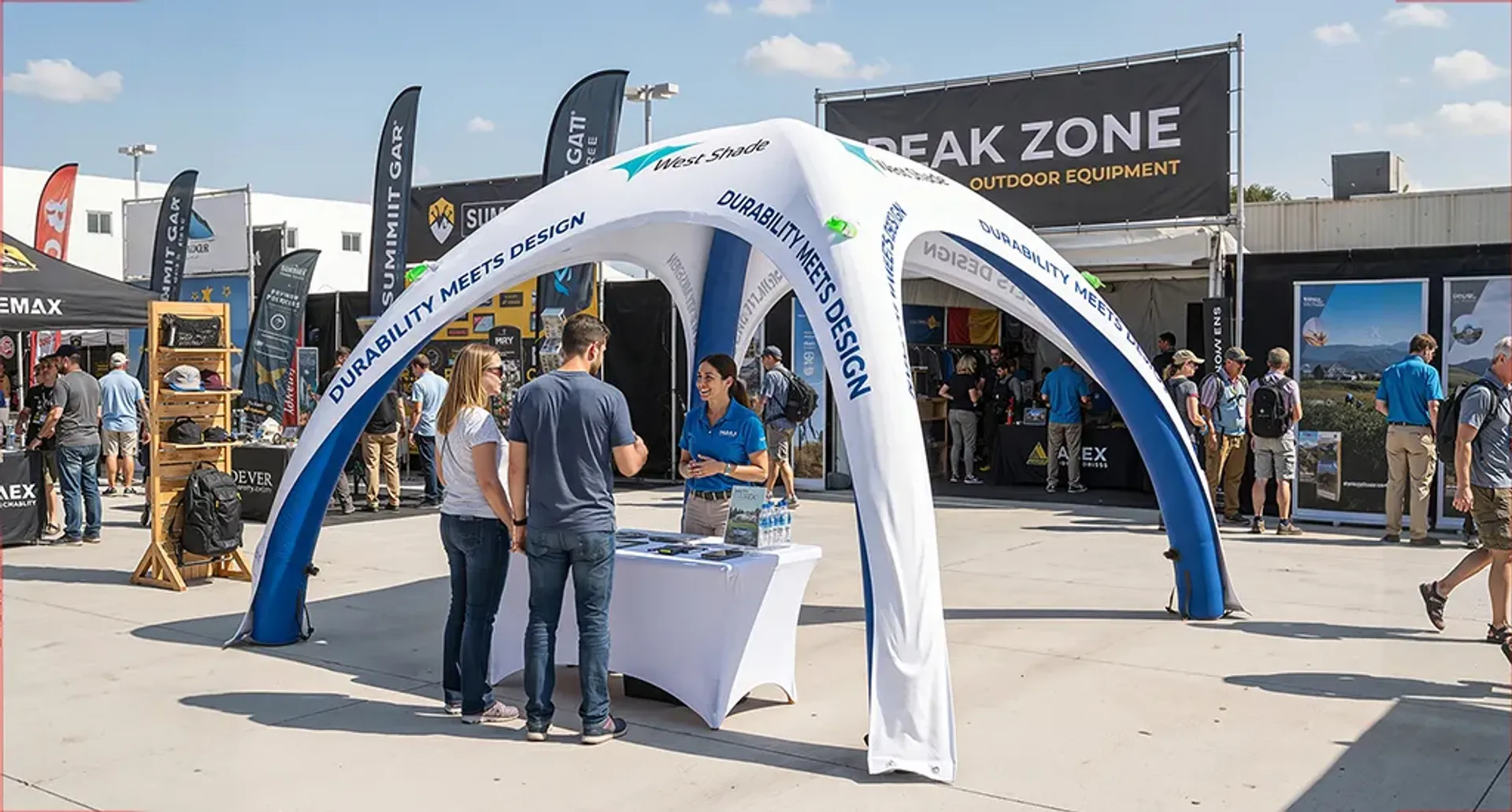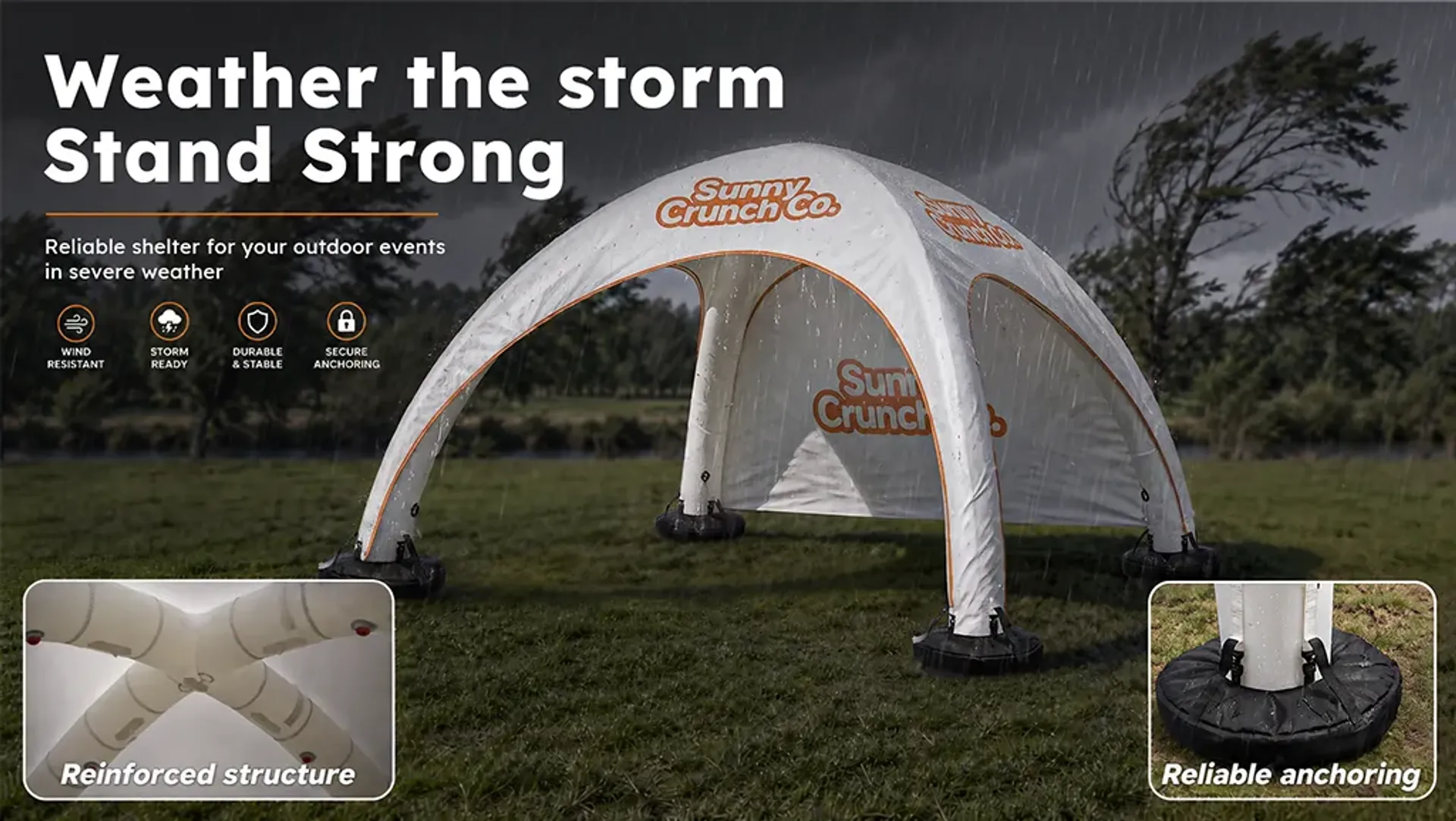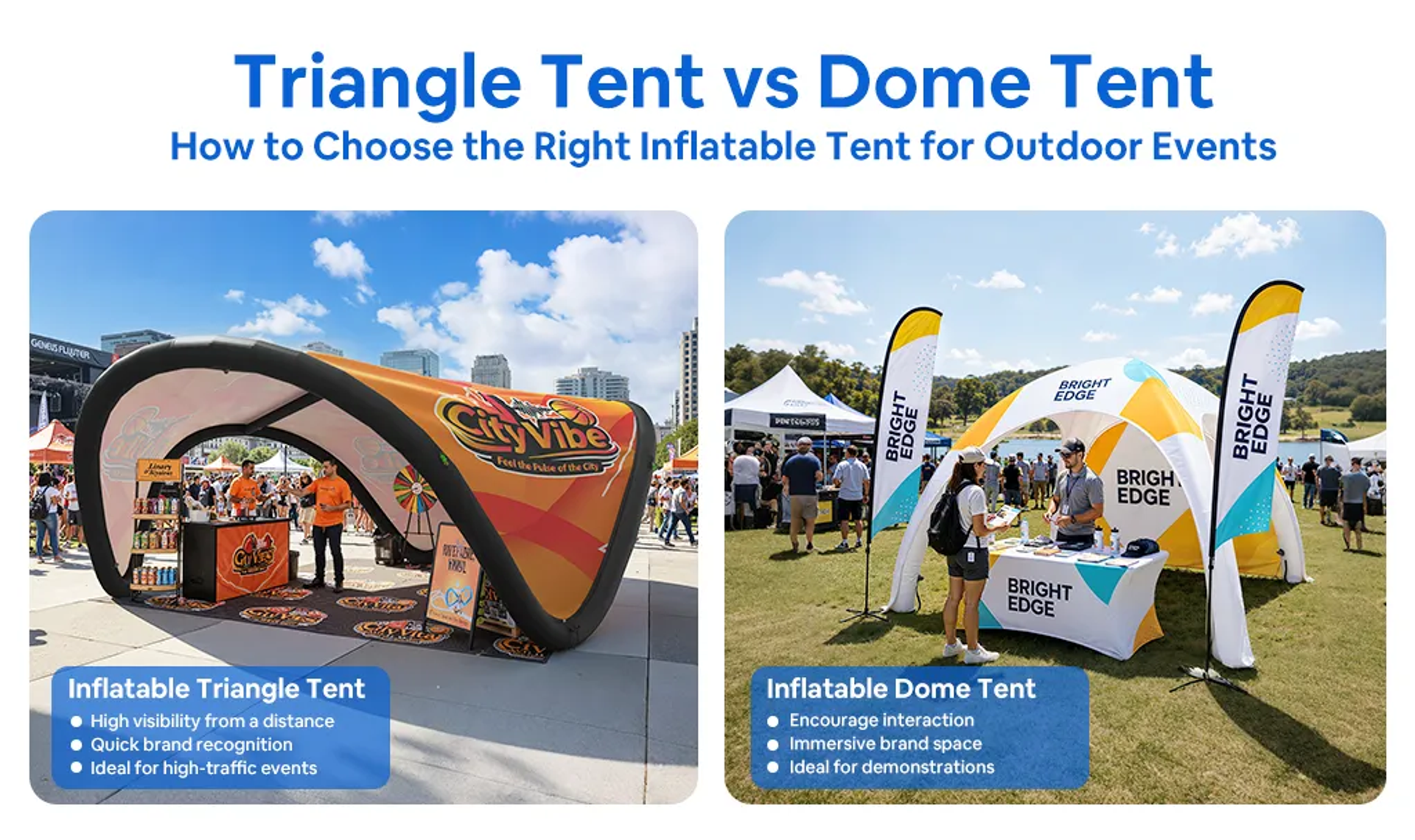




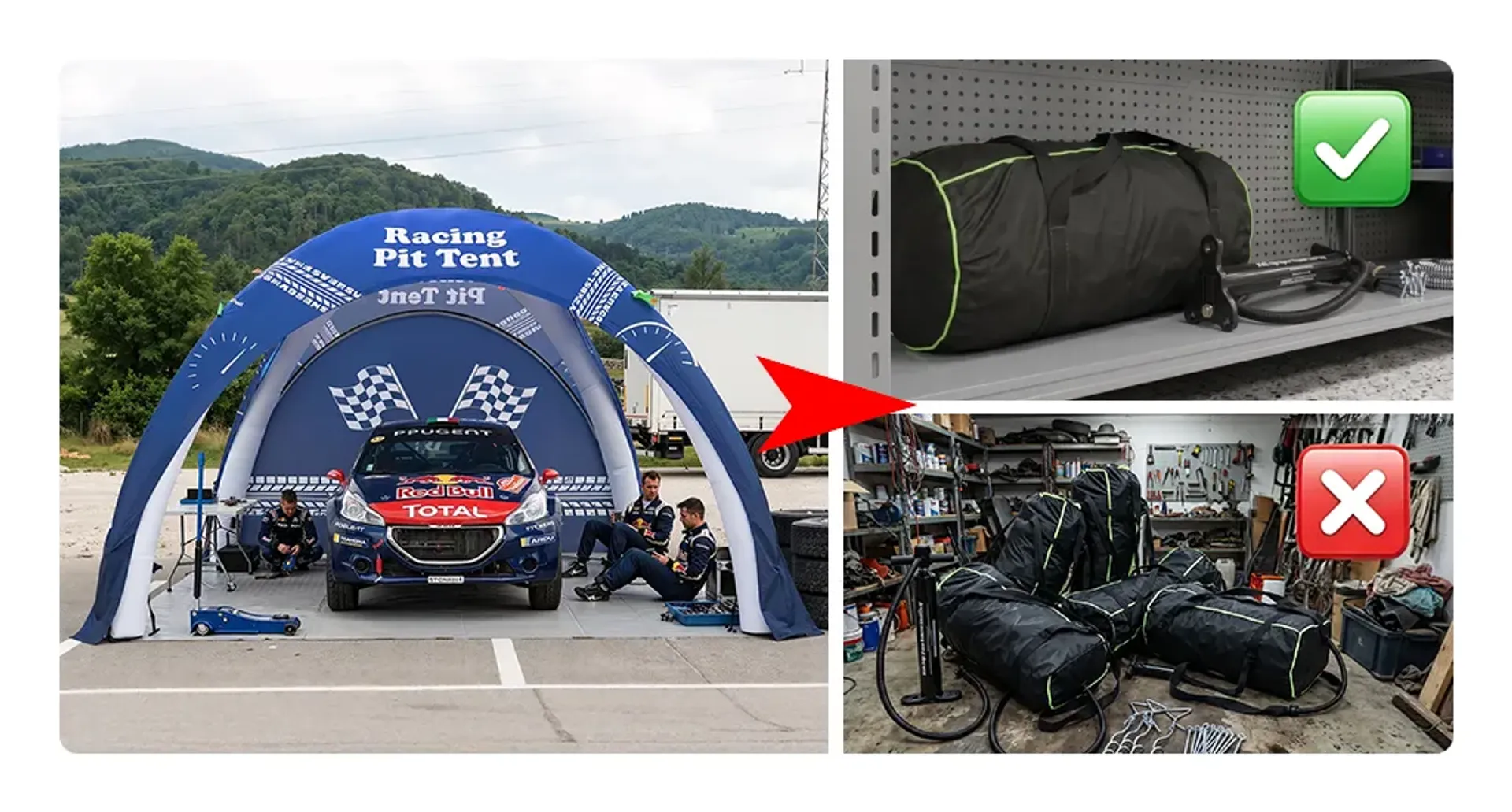
Inflatable tents are widely used for trade shows, outdoor promotions, sports events, festivals, and brand activations because they provide a large branded space while remaining portable and easy to install.
For businesses that use inflatable tents repeatedly throughout the year, proper storage is an essential part of protecting the display investment. After an event, moisture, dirt, and improper folding can gradually affect the fabric, printed graphics, air system, and overall appearance of the tent.
A commercial inflatable tent is designed for repeated transportation, installation, and outdoor use. However, regular inflatable tent maintenance and proper storage help reduce unnecessary repairs and keep the tent ready for future events.
This guide explains how to store an inflatable tent properly, including cleaning, drying, inspection, folding, and long-term storage recommendations.
Why Proper Inflatable Tent Storage Matters
Commercial inflatable tents are built to handle repeated event use, but frequent setup, transportation, and outdoor exposure can place stress on different components over time.
Proper storage mainly helps protect three areas:
Protect Fabric and Custom Printed Graphics
During outdoor events, inflatable tents may be exposed to:
- Dust and dirt from event grounds
- Grass, mud, and debris from outdoor venues
- Rain and moisture
- Direct sunlight and UV exposure
For example, an inflatable tent used at a sports event may collect dirt around the lower fabric panels after being installed on grass fields. A promotional tent used at outdoor festivals may also experience moisture exposure from changing weather conditions.
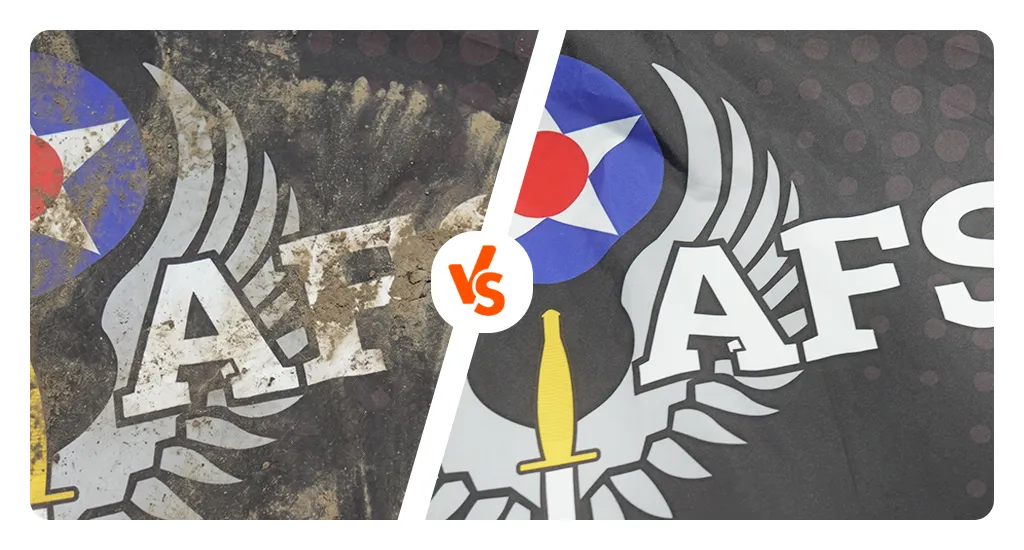
If dirt and moisture remain on the surface during storage, they may become harder to remove and affect the appearance of custom printed graphics.
Cleaning the tent after major events helps maintain a professional brand presentation for future activations.
Reduce Stress on Air Systems and Seams
Commercial sealed-air inflatable tents typically use an internal air bladder, reinforced fabric layers, and durable seam construction designed for repeated installations.
For example, many commercial inflatable structures use TPU air bladders because TPU provides flexibility, abrasion resistance, and durability through repeated inflation, deflation, and transportation cycles. Proper storage helps prevent unnecessary stress on the bladder, valves, and surrounding fabric layers.
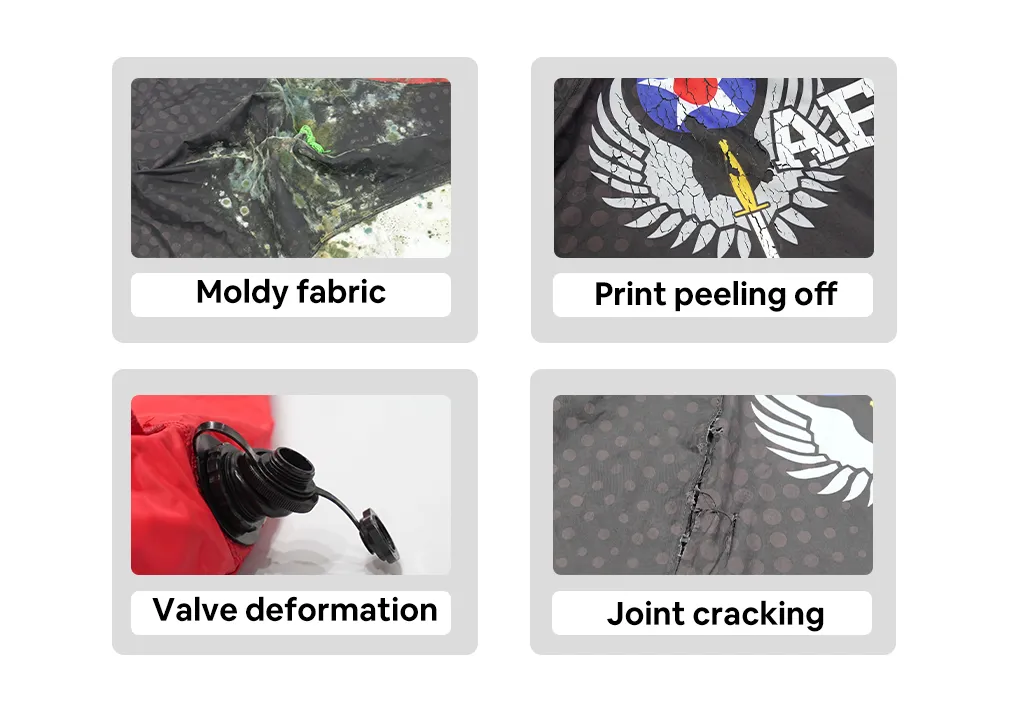
However, improper storage can still create unnecessary stress on:
- Air valves
- Heat-welded seams
- Connection areas
- Fabric layers
Common issues occur when teams:
- Pack the tent while it is still wet
- Place heavy equipment on top of the folded structure
- Store the tent near sharp tools or metal components
A careful storage process helps maintain the original structure and reduces unexpected problems before the next event.
How to Store an Inflatable Tent After an Event
Follow these steps to prepare your inflatable tent for long-term storage.
Step 1: Clean the Inflatable Tent Surface
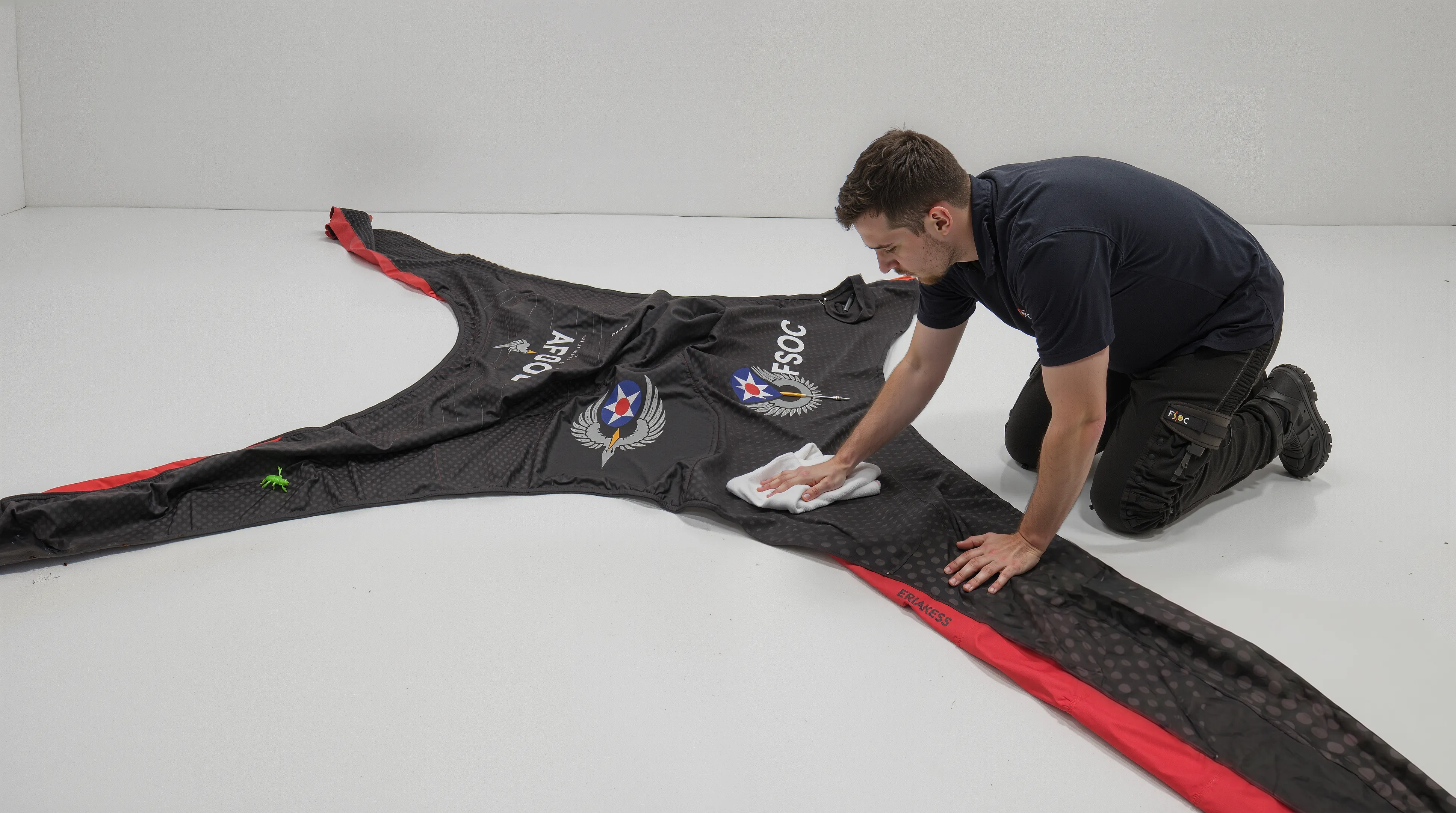
Before folding the tent, remove dirt, dust, and stains from the fabric surface.
Recommended cleaning tools:
- Soft microfiber cloth
- Mild soap
- Clean water
Pay special attention to areas that collect more debris:
- Bottom edges near the ground
- Entrance areas
- Corners and connection points
- Visible stained areas
Avoid using:
- Bleach
- Strong chemical cleaners
- Abrasive brushes
- High-pressure washing equipment
Harsh cleaning methods may damage fabric coatings, seams, or printed graphics.
For commercial users, cleaning after outdoor events such as sports competitions, festivals, and promotional campaigns helps maintain the professional appearance of the display.
Step 2: Allow the Tent to Dry Completely
Never store an inflatable tent while it is damp.
Moisture trapped inside folded fabric can create conditions that lead to:
- Mold growth
- Unpleasant odors
- Fabric deterioration
This step is especially important after:
- Rainy outdoor events
- Morning installations with heavy dew
- Cleaning before packing
Before storage:
- Fully deflate the tent according to the product design
- Open folded sections and check hidden areas
- Allow all surfaces to air dry
- Check seams, corners, and connection areas for remaining moisture
Drying time depends on weather conditions and humidity, but the tent should feel completely dry before being packed into storage bags.
Step 3: Inspect the Tent Before Packing
A quick inspection after each event helps identify small problems before they become larger repair issues.
Check the following areas:
Fabric and Graphics
Inspect for:
- Small tears
- Scratches
- Stains
- Damaged printed areas
Air System
Pay special attention to air valves, seams, and connection points. These areas often experience more stress because they are frequently handled during inflation, deflation, setup, and transportation.
If you notice unusual air loss or visible damage, address the issue before storing the tent.
Accessories
Confirm all components are included:
- Pump
- Ropes
- Stakes
- Carrying bags
- Repair kit
For companies managing multiple event displays, labeling storage bags by tent size, event type, or usage location can make future preparation faster.
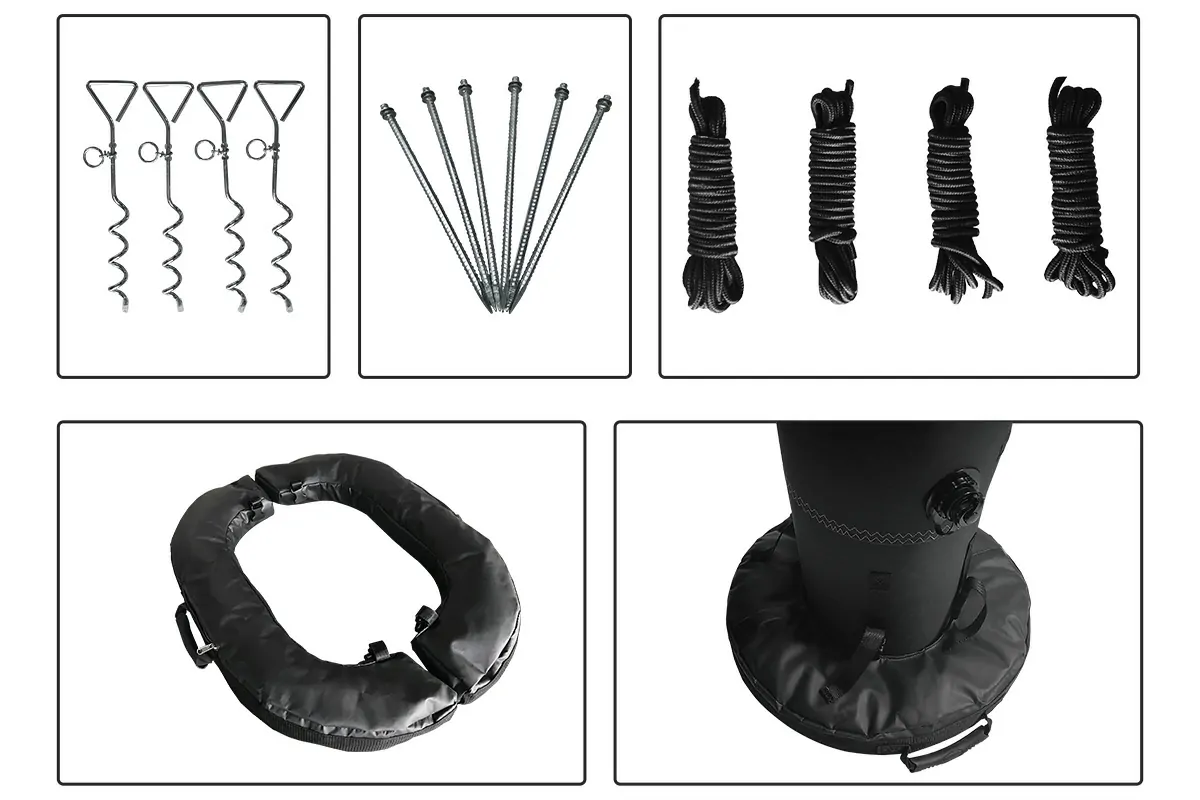
Step 4: Deflate and Fold the Inflatable Tent Properly
After inspection, prepare the tent for storage using a consistent folding method.
Deflate Carefully
Release air according to the manufacturer's instructions.
Avoid:
- Forcing air out with heavy objects
- Pulling or twisting air valves
- Folding while excessive air remains inside
A controlled deflation process helps reduce unnecessary stress on seams and valves.
Fold Into Manageable Sections
Proper folding protects both the fabric and printed graphics.
Recommended practices:
- Follow the manufacturer's recommended folding pattern
- Fold into manageable sections instead of forcing tight folds
- Avoid creating sharp creases
- Keep hard accessories away from the fabric
Never leave stakes, connectors, or metal parts inside the folded tent, as they may scratch or puncture the material during storage.
Step 5: Choose the Right Inflatable Tent Storage Environment
The storage environment has a direct impact on the lifespan of an inflatable tent.
The ideal storage location should be:
✓ Dry
✓ Clean
✓ Protected from direct sunlight
✓ Away from sharp objects
✓ Free from excessive humidity and temperature changes
Avoid long-term storage in uncontrolled environments such as open trailers, outdoor sheds, or areas with high humidity and extreme temperature changes.
While inflatable tents are designed for outdoor events, they should be stored indoors whenever possible after use.
A clean, dry storage environment helps protect fabric quality, printed graphics, and internal components between events.
Common Inflatable Tent Storage Mistakes and How to Avoid Them
1. Packing the Tent While Wet
This is one of the most common storage mistakes after outdoor events.
Moisture trapped inside folded fabric may cause mold and unpleasant odors.
Better approach:
Always allow the tent to dry completely before long-term storage.
2. Leaving Dirt on the Fabric
Dirt from outdoor venues may seem minor after one event, but repeated buildup can affect the appearance of custom graphics.
Better approach:
Clean the tent after major outdoor events, especially when used on grass fields, dusty locations, or high-traffic areas.
3. Storing Accessories Separately
Missing accessories can delay installation before an important event.
Better approach:
Keep all components together and label storage bags clearly.
4. Storing Heavy Items on Top of the Tent
Event equipment is often stored together in warehouses, but placing heavy cases or equipment on top of a folded inflatable tent may create unnecessary pressure on seams and fabric layers.
Better approach:
Store the tent separately or place it where other equipment cannot compress the folded structure.
Conclusion
Proper inflatable tent storage is an important part of long-term event display maintenance. By cleaning the fabric, drying the structure completely, inspecting key components, and storing the tent correctly, businesses can reduce maintenance issues and keep their displays ready for repeated use.
Whether used for trade shows, outdoor promotions, sports marketing, or brand activations, a well-maintained inflatable tent helps companies create a professional presence at every event.
Need a commercial inflatable tent built for repeated event use? Westshade provides sealed-air inflatable tents with custom printing options designed for trade shows, outdoor promotions, sports events, and brand activations.
Frequently Asked Questions About Inflatable Tent Storage
Can an inflatable tent be stored while partially inflated?
No. Inflatable tents should be completely deflated before long-term storage. Leaving the structure partially inflated can create unnecessary pressure on air valves, seams, and fabric layers. Fully deflating the tent also makes it easier to inspect, fold, and store properly.
How often should I inspect an inflatable tent during storage?
For businesses that use inflatable tents frequently, inspect the tent after each event and before the next installation. If the tent has been stored for several months, check the fabric, seams, air valves, and accessories before transporting it to a new event
How should I prepare an inflatable tent before the next event?
Before the next event, check that the tent, pump, ropes, stakes, and repair accessories are complete. Inspect the fabric and air system, then perform a short test inflation if the tent has been stored for an extended period.
How long can a commercial inflatable tent last?
With proper maintenance and storage, a commercial inflatable tent can be used for many years. The actual lifespan depends on factors such as material quality, frequency of use, transportation conditions, and maintenance practices.