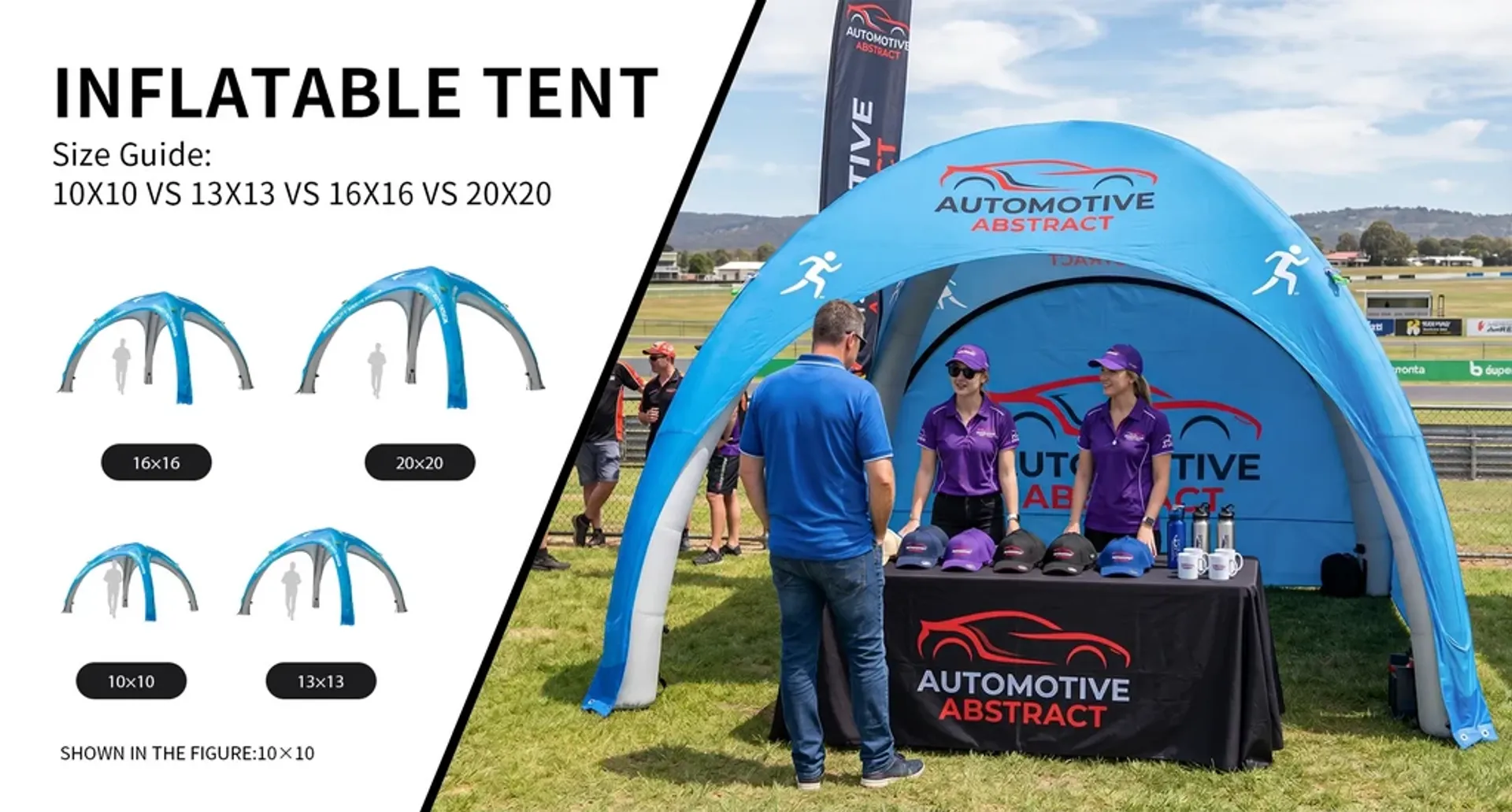




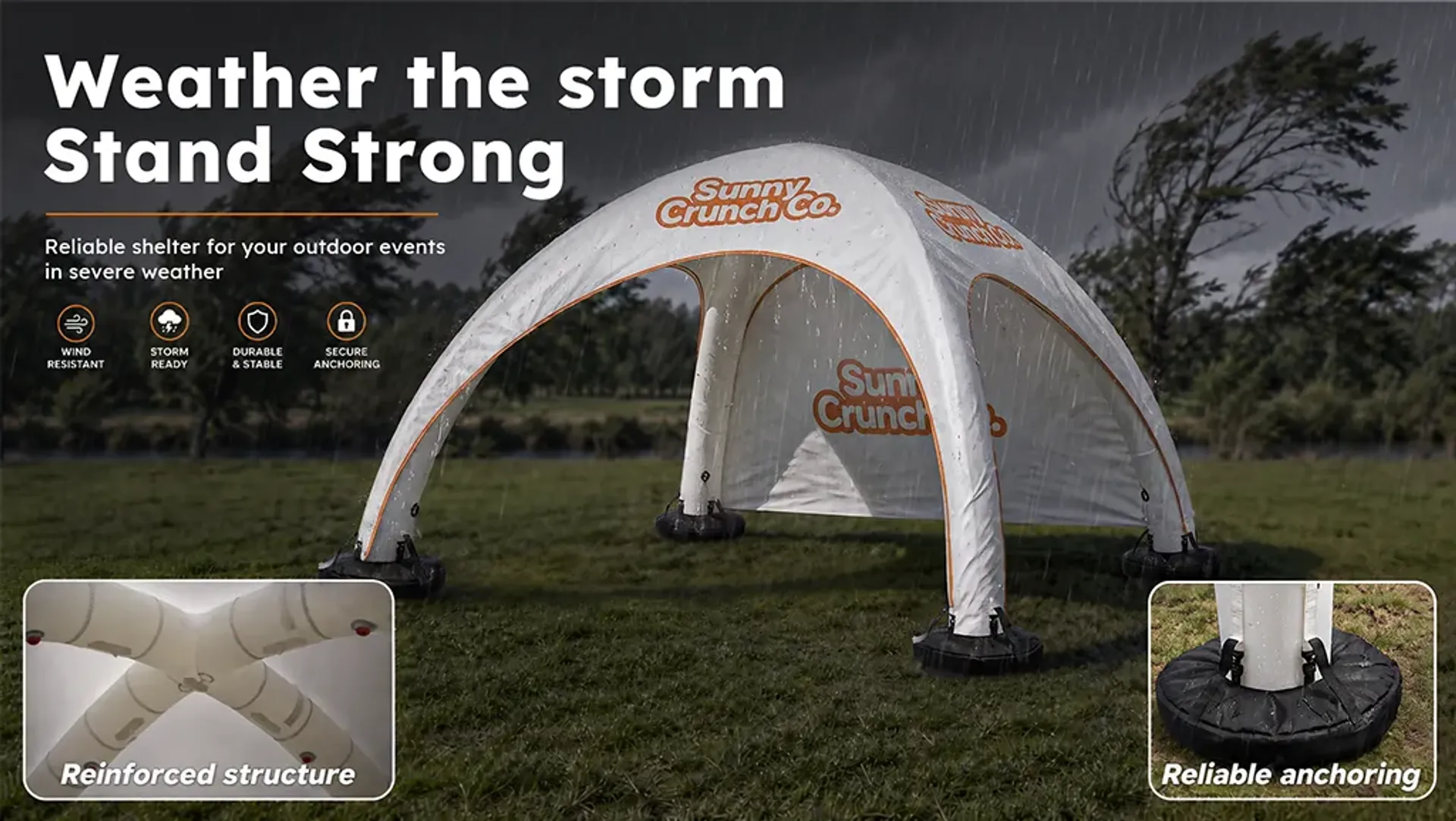
A commercial inflatable tent may look impressive during setup, but outdoor conditions during the event will determine whether it can maintain stability, appearance, and reliable operation. For organizers running trade shows, sports competitions, festivals, and brand activations, wind and rain can affect more than stability — they can influence brand presentation, attendee experience, and overall event reliability.
Inflatable tents used in open fields, exhibition areas, and promotional spaces may face very different weather challenges. Factors such as air structure, material quality, seam construction, and anchoring methods all play an important role in how a tent performs in different weather conditions.
This article looks at how wind, rain, and installation conditions influence inflatable tent performance and the factors buyers should evaluate before making a purchase.
How Wind Affects Inflatable Tent Performance
Wind exposure is a major consideration for inflatable tents used in outdoor environments. An inflatable tent installed in an open sports field, roadside promotion area, or outdoor exhibition space may experience stronger and more variable wind exposure than a protected location.
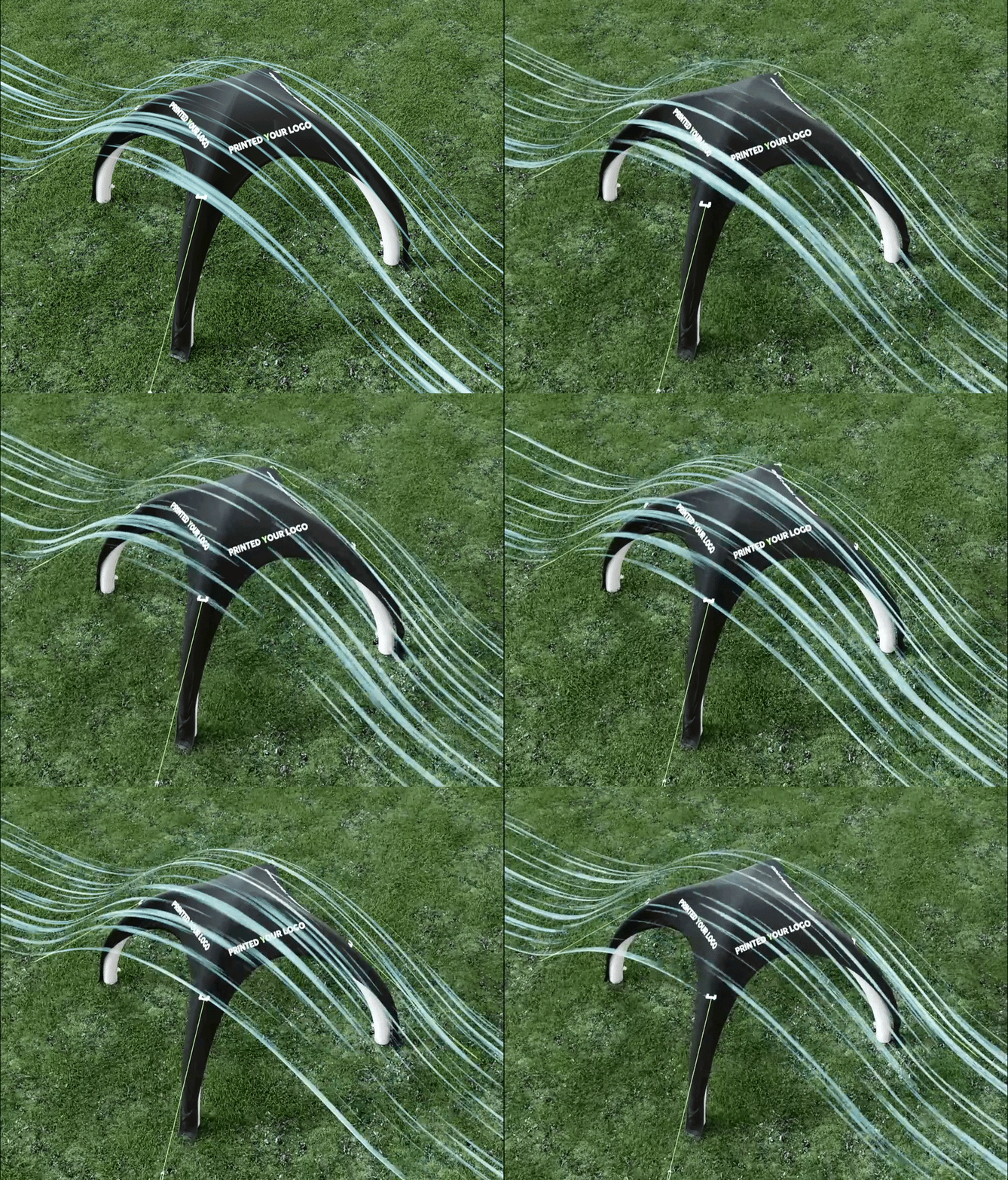
When wind pushes against an inflatable structure, it creates external pressure that can affect the tent's shape, stability, and overall appearance. In practical outdoor applications, strong or changing winds can create uneven stress on the fabric, impact printed graphics, and reduce the professional presentation of the event space.
Tent Structure Helps Maintain Shape in Wind
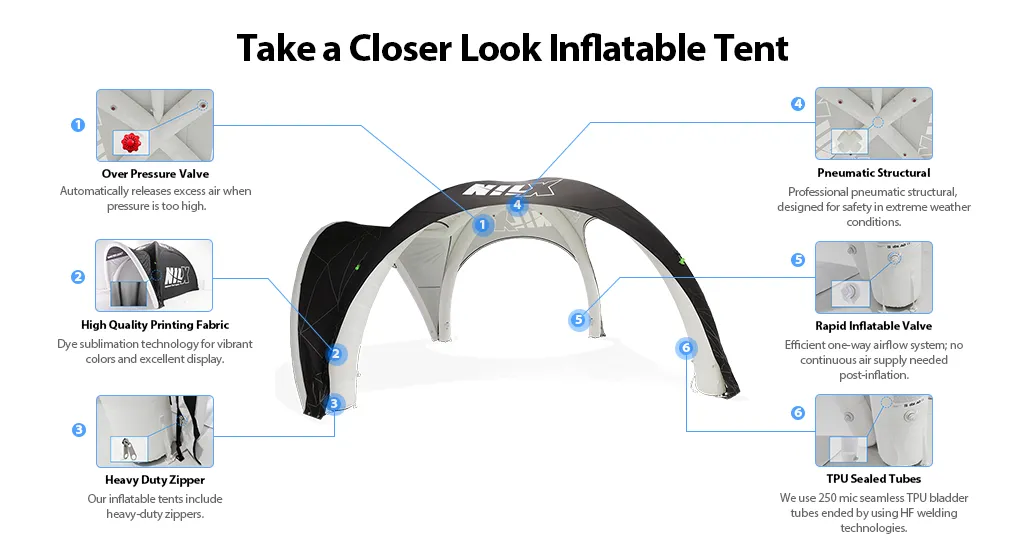
A stable air structure helps an inflatable tent resist deformation when exposed to changing wind conditions. A sealed-air inflatable tent uses an internal air bladder that is inflated before use and maintains its shape throughout the event.
This consistent structure helps maintain the appearance of branded graphics, entrances, and customer-facing areas when outdoor conditions change. For commercial events, this is especially important because the tent often serves as part of the overall brand presentation rather than only a temporary shelter.
Proper Anchoring Helps Prevent Movement
Even a well-designed inflatable tent requires suitable anchoring to remain stable outdoors. Anchoring systems help secure the tent to the installation surface and reduce movement caused by wind forces.
The correct solution depends on the event location. Grass or soil surfaces may allow the use of stakes and ropes, while concrete or asphalt areas typically require weight-based anchoring solutions. For example, an inflatable tent installed on a grass sports field may use ground stakes, while the same tent placed on concrete at an outdoor exhibition area may require a different anchoring approach. This is why buyers should discuss installation conditions with suppliers before placing an order.
For this reason, event organizers should consider both the expected wind exposure and installation surface when preparing an inflatable tent for outdoor use.
How Rain Affects Inflatable Tent Performance
During outdoor events, rainfall can influence moisture protection, graphic appearance, and the long-term durability of an inflatable tent.
Although buyers often ask whether an inflatable tent is waterproof, actual outdoor performance depends on how the fabric, coating, and seam construction work together.
Fabric and Coating Improve Moisture Resistance
The outer fabric provides the first layer of protection against rain. Polyester fabric with PU coating is commonly used for commercial inflatable tents because it helps reduce moisture penetration while supporting durability for repeated outdoor use.
For businesses that reuse inflatable tents across multiple events, material durability is especially important because repeated setup, transportation, folding, and storage can gradually affect the condition of the fabric.
Reinforced Seams Help Reduce Water Entry
Rain protection depends not only on the fabric but also on how the tent is manufactured. Seams and connection areas can become potential weak points if they are not properly reinforced.
Consistent seam construction helps improve durability and reduces the risk of moisture entering through connection areas during outdoor use.
When evaluating inflatable tents, buyers should consider both material quality and manufacturing details rather than focusing only on appearance or price.
Choosing an Inflatable Tent Based on Weather Exposure
The right inflatable tent choice depends largely on the weather conditions and installation environment where it will be used. Instead of choosing a tent only based on size, design, or price, event organizers should consider the environment where the tent will be installed and the challenges it may face during use.
Different weather conditions create different requirements. Understanding these factors can help buyers choose a solution that better matches their event needs.
Outdoor Events With High Wind Exposure
Events held in open areas, such as sports fields, roadside promotions, and large outdoor venues, are more likely to experience changing wind conditions.
For these environments, anchoring compatibility may be the first factor to confirm before purchasing, especially when the installation surface varies between events. Before purchasing, organizers should confirm whether the supplier provides suitable anchoring solutions for their typical installation locations.
Outdoor Events With Frequent Rain or Moisture Exposure
For events in areas with frequent rainfall or high moisture levels, material and construction quality become especially important.
Buyers should consider:
- fabric and coating performance
- seam construction
- drying and storage requirements
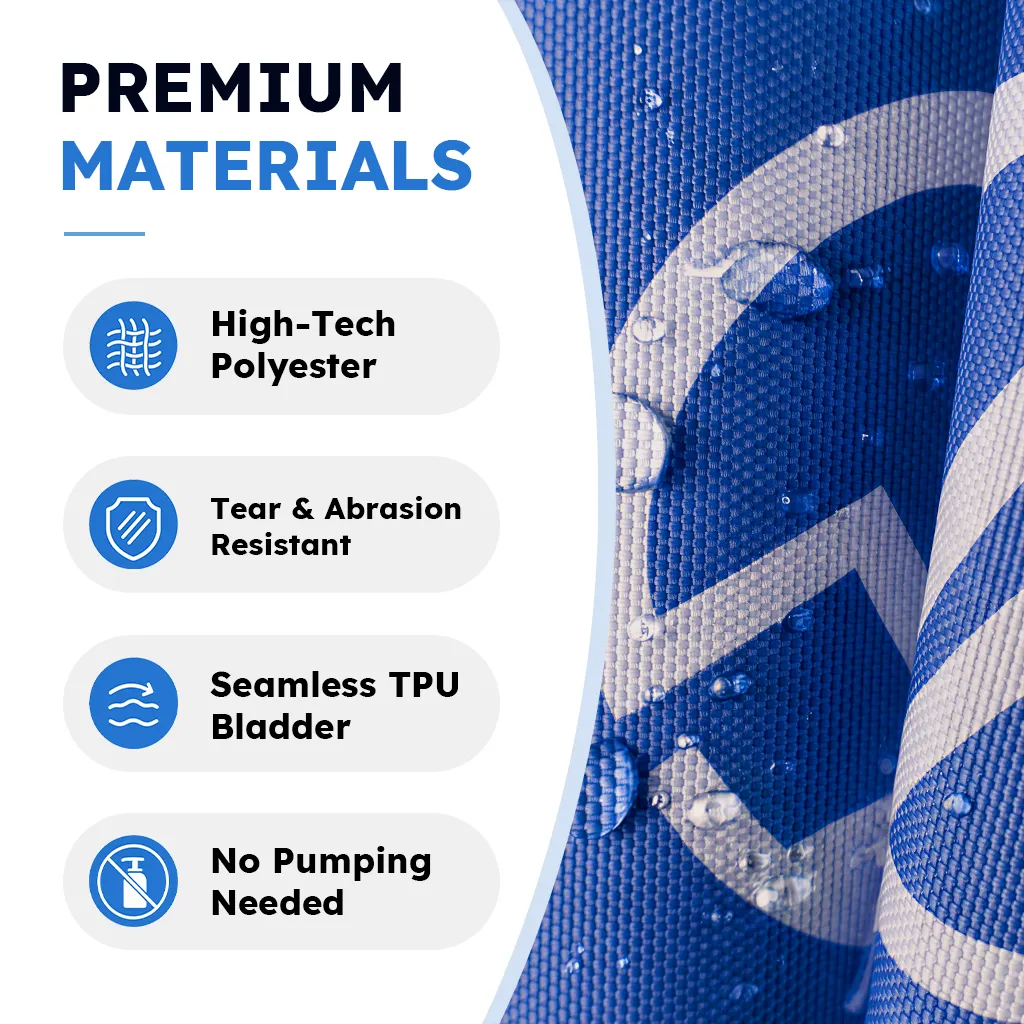
A polyester fabric with PU coating can help improve moisture resistance, while reinforced seams help reduce potential weak points where water may enter. These factors are especially important for businesses that reuse their inflatable tents across multiple outdoor events.
Multi-Day Events With Changing Weather Conditions
Some outdoor events may experience different weather conditions throughout the day or across multiple days. Trade shows, festivals, and brand activations often require a tent that can maintain a professional appearance while handling repeated exposure to outdoor conditions.
For these applications, buyers should focus on overall durability, ease of maintenance, and reliable setup performance.
The best inflatable tent choice is not determined by one feature alone. It depends on how well the structure, materials, anchoring method, and event environment work together.
Conclusion
Selecting an inflatable tent for outdoor use requires balancing weather exposure, structure, materials, and installation conditions. The best solution depends on how these factors match your specific event environment and usage requirements.
For outdoor events with higher wind exposure, buyers should focus on stability and anchoring solutions. For rainy or long-term outdoor use, material quality and construction details become more important. Understanding these factors can help event organizers choose an inflatable tent that performs reliably while maintaining a professional appearance throughout the event.
If you are planning an outdoor event and need help selecting the right inflatable tent for your environment, our team can provide recommendations based on your event location, setup requirements, and branding goals.
Frequently Asked Questions
1. How should an inflatable tent be maintained after rainy weather?
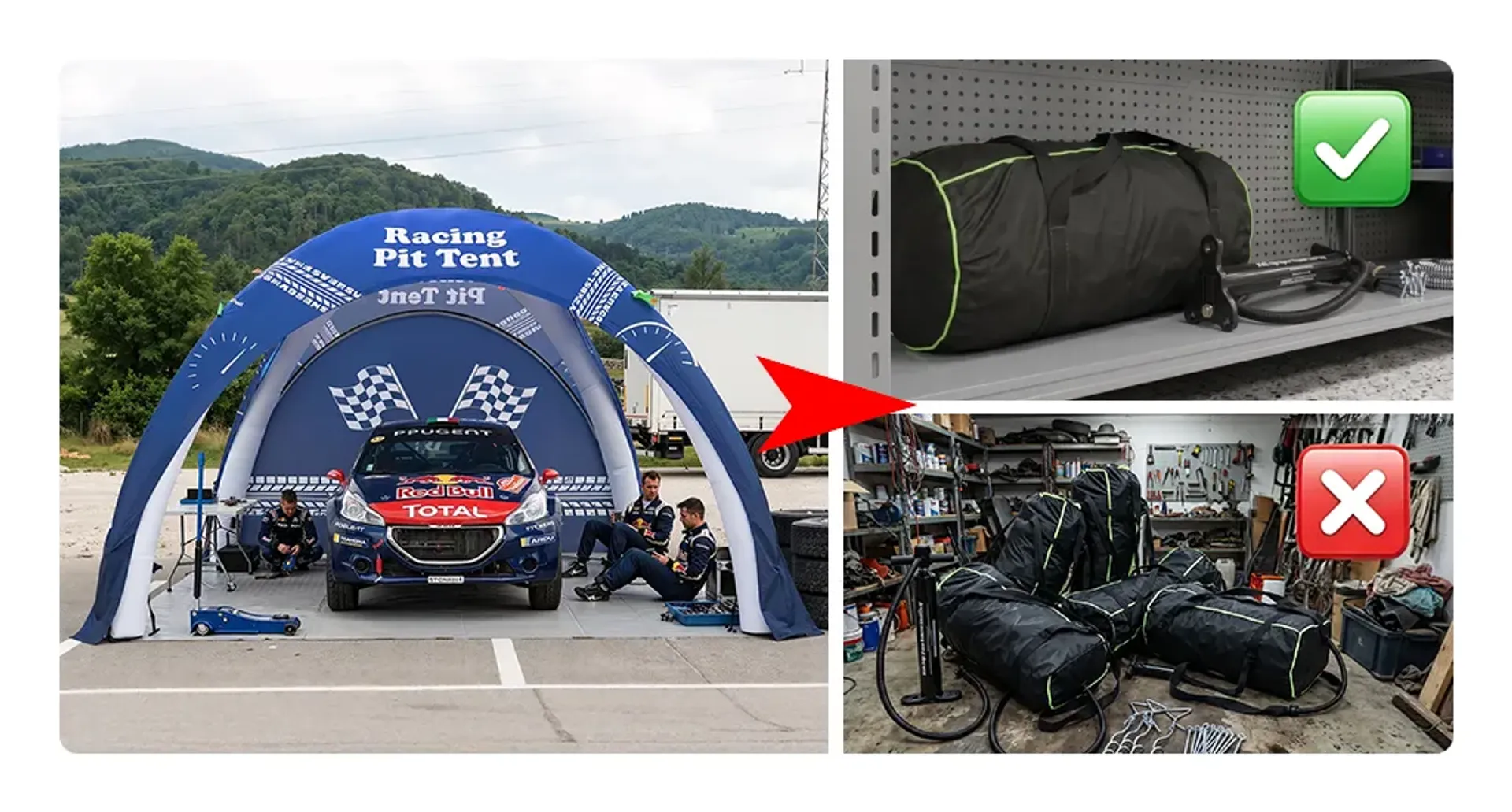
After rainy conditions, the inflatable tent should be fully dried before storage to help prevent moisture-related issues. Remove any dirt or water residue, check seams and connection areas, and store the tent in a clean, dry environment. For businesses that reuse inflatable tents across multiple events, proper cleaning, drying, and storage procedures can help extend its lifespan.
2. How long can a commercial inflatable tent last with regular use?
A high-quality commercial inflatable tent can last 5–8 years or even longer with proper maintenance and correct usage.
3. Can inflatable tents be used for multi-day outdoor events?
Yes, commercial inflatable tents can be used for multi-day outdoor events when they are properly selected and maintained.
4. Are inflatable tents durable for outdoor events?
Yes, commercial inflatable tents are made from high-quality materials such as Polyester fabric with PU coating, making them suitable for repeated outdoor use. A custom inflatable event tent is designed to withstand wear and tear from frequent setups at events and exhibitions.