




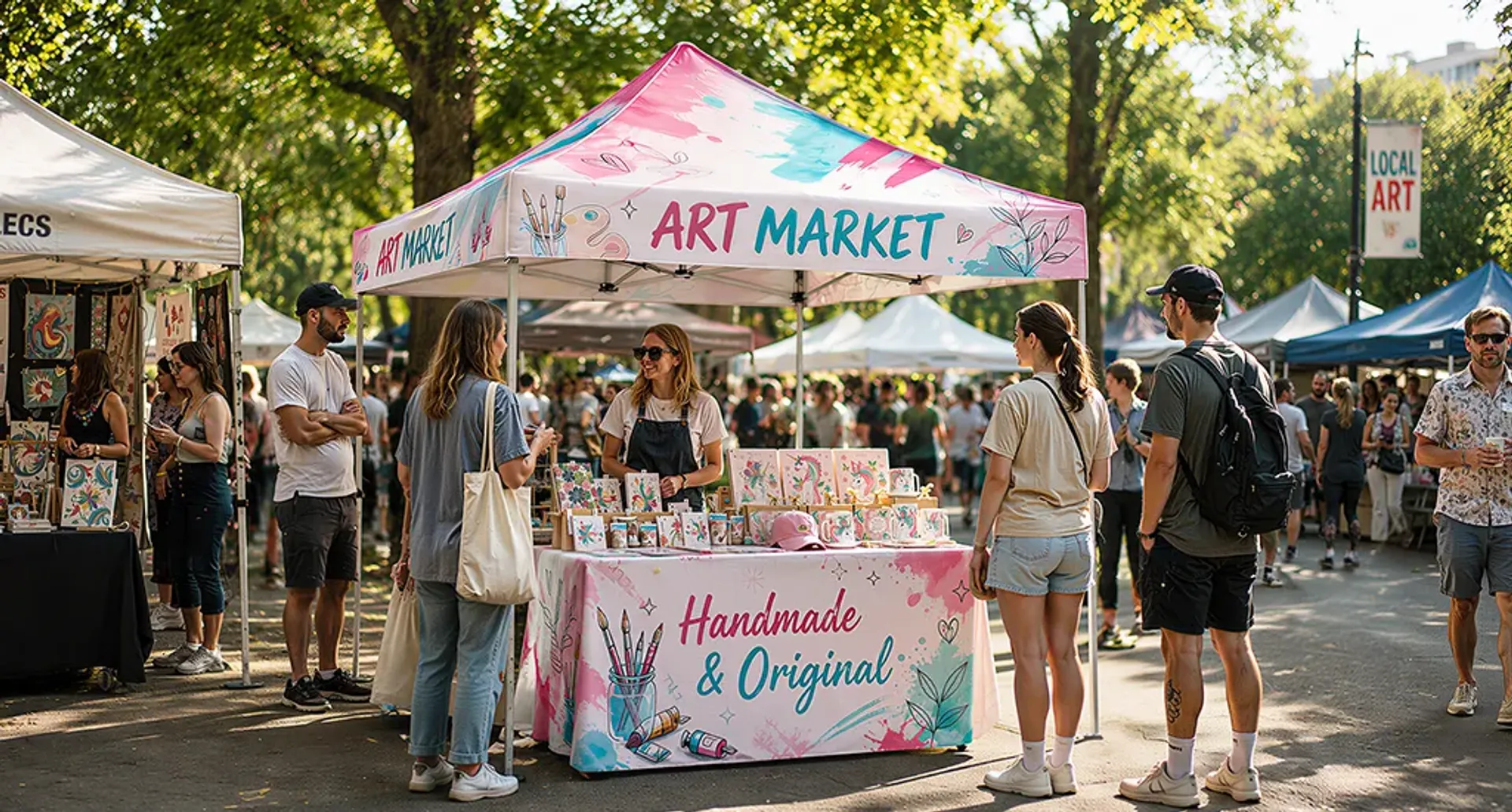
A 10x10 custom canopy tent is one of the most widely used setups for outdoor events, trade shows, and small business booths. Its compact size makes it easy to transport and quick to set up, but it also raises an important planning question: how many tables can actually fit underneath it without overcrowding the space?
The answer is not fixed, because it depends on how you arrange your tables and how much working space you need for staff and customers. In this guide, we will walk through the most common table layouts inside a 10x10 canopy, explain how each setup works in real scenarios, and help you decide whether you need a larger size such as 10x15 or 10x20.
Understanding the Real Space Inside a 10x10 Canopy Tent
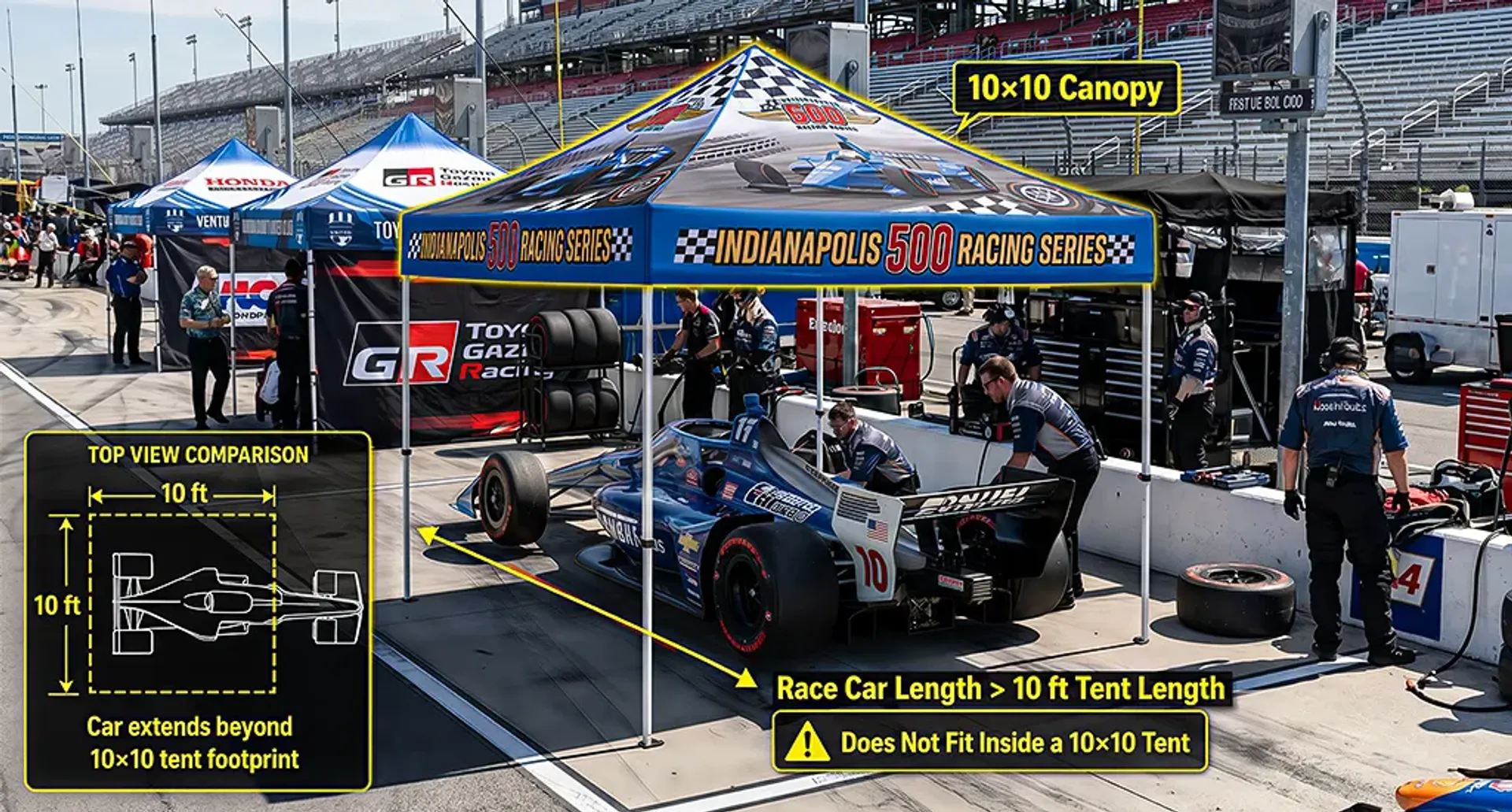
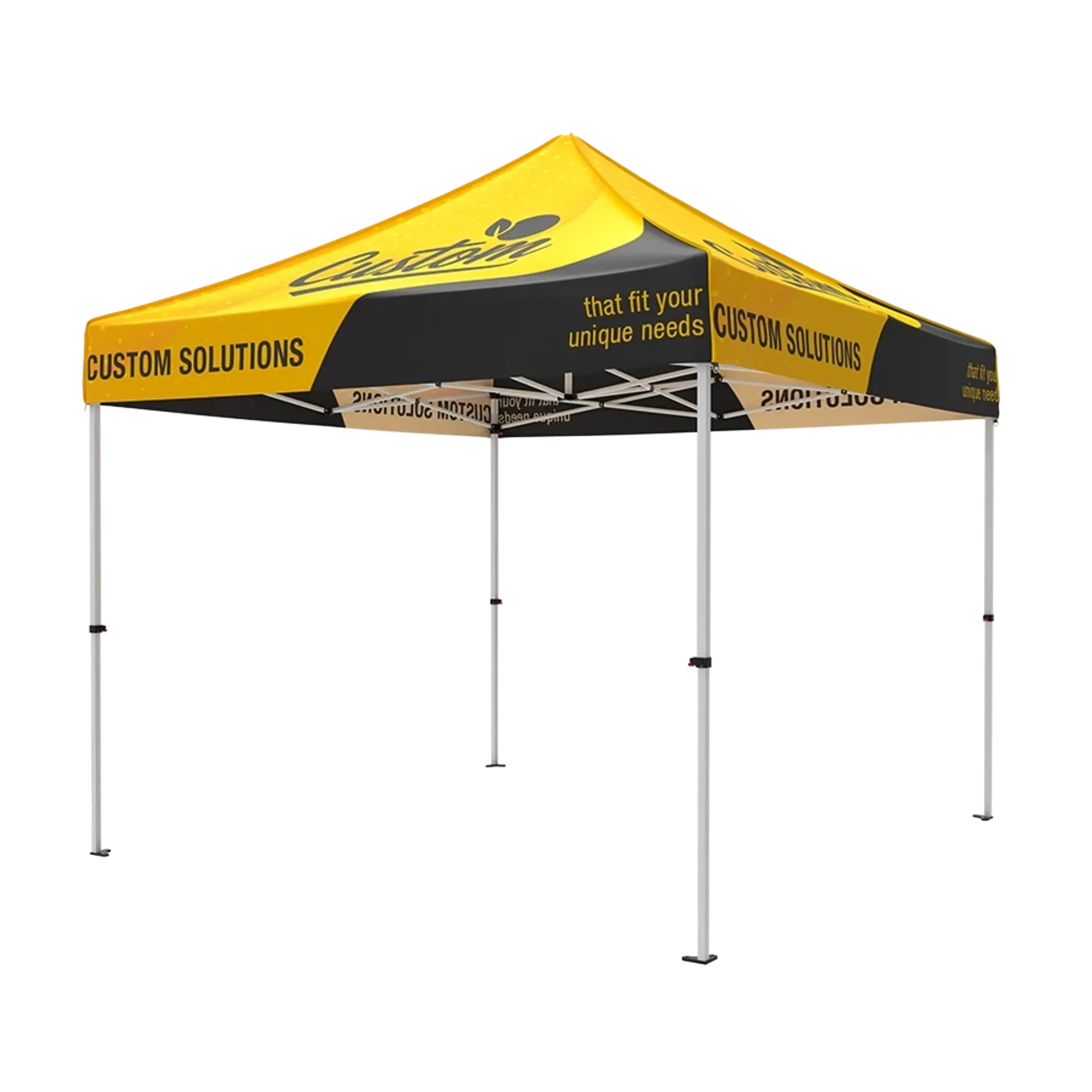
Although a 10x10 canopy provides 100 square feet of coverage, the usable interior space is slightly less once the leg frame of the custom pop up tent takes up some space. In real-world use, most vendors treat the space as a compact booth designed for focused interaction rather than full-scale retail display.
A standard 6ft or 8ft table takes up a significant portion of this footprint. Because of that, table placement becomes the key factor in how functional your booth feels.
The Standard Front-Facing Setup (One Table)
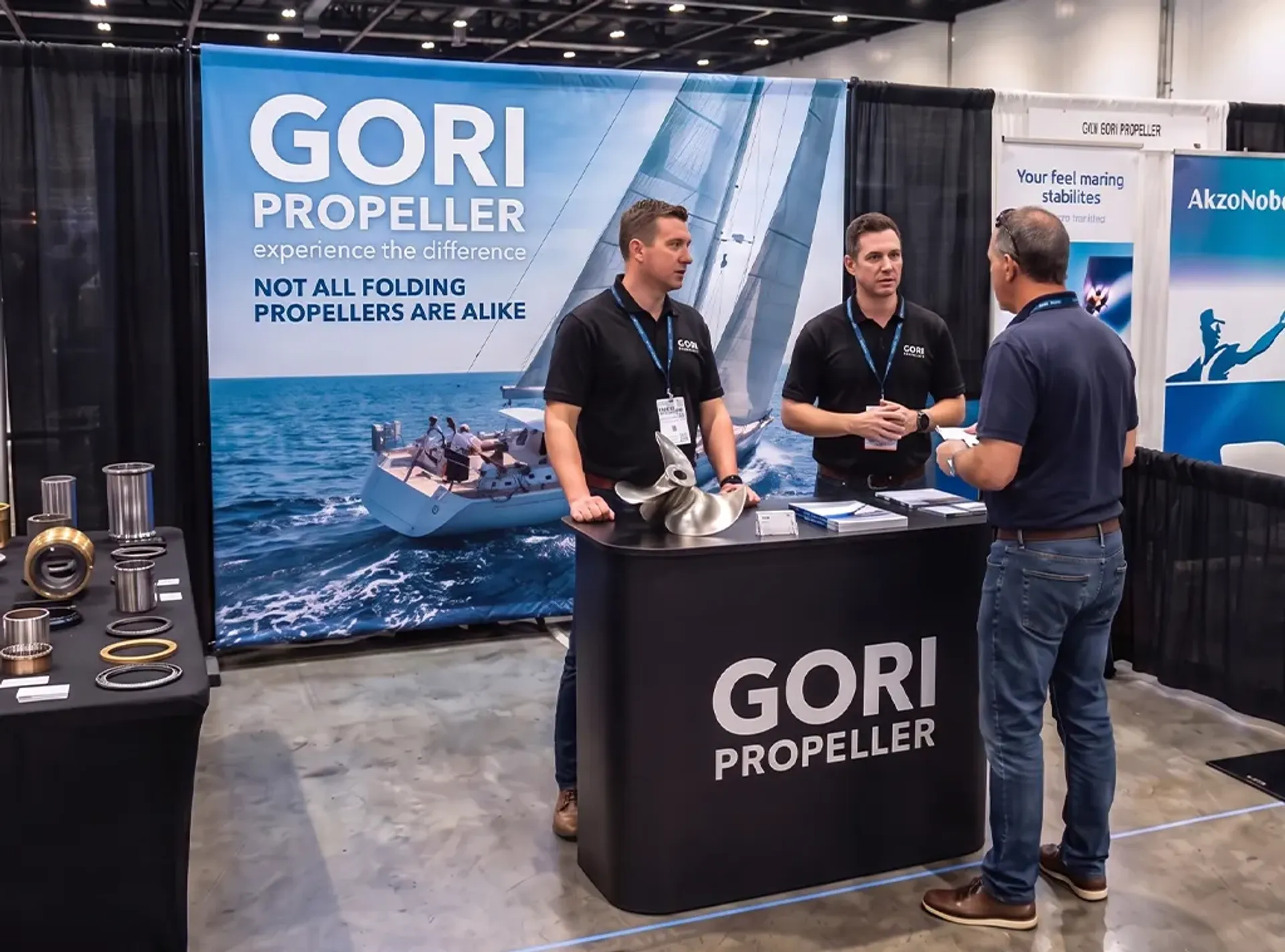
The most straightforward way to use a 10x10 canopy is to place a table. This creates a clean and open front area where customers can easily approach your booth. In most cases, this setup comfortably supports one large table or up to two smaller tables placed side by side. Vendors often prefer this layout when the goal is to showcase products clearly rather than store large amounts of inventory.
Because the front space remains open, this layout is especially effective for registration booths, simple product displays, or brand awareness setups where customer interaction happens at the front edge of the booth.
-
Best for: Solo vendors, new art shows
-
Layout: One 6-foot or 8ft folding table along the front edge of the tent with optional displays.
L-Shape Layout (Two 6ft Table)
When more workspace is needed, many vendors switch to an L-shaped layout by placing one table along the front and another along the side of the canopy. This configuration naturally divides the booth into two functional areas.
For example, one table can be used for product display while the other is dedicated to checkout or demonstration. This makes the booth feel more organized and helps guide customer flow in a natural direction.
However, because the 10x10 space is limited, this setup can start to feel tight when multiple staff members are working inside the booth.
-
Best for: Vendors needing extra display room.
-
Layout: One 6-foot table at the front or back, one along the side.

U-Shape Layout (Three 6ft Table)
The U-shaped layout is designed for high engagement environments where staff interact closely with customers. In this setup, tables are arranged on three sides, creating a semi-enclosed working area. This configuration allows everything to be within reach, making it ideal for product sampling, consultations, or hands-on demonstrations.
However, it is important to note that while this layout increases interaction efficiency, it significantly reduces open space inside the tent. As a result, movement becomes limited, and storage capacity is minimal.
-
Best for: Vendors with a variety of products.
-
Layout: Three 6-foot tables lining three sides of the tent.

Z-Shape Layout (Three Tables)
Some vendors choose a more dynamic Z-shaped arrangement to create a visually engaging booth experience. By placing tables diagonally, the booth feels more open and naturally guides visitors through different sections.
This layout works well for brands that want to tell a story or showcase multiple product categories in a structured flow. It also helps create multiple touchpoints for customer engagement.
However, because the layout is less conventional, it requires careful planning to avoid blocking movement inside the booth.
-
Best for: Vendors with a helper or a diverse selection of products.
-
Layout: One 6ft table and two 4ft tables in a Z formation.
When a Larger Canopy Makes More Sense
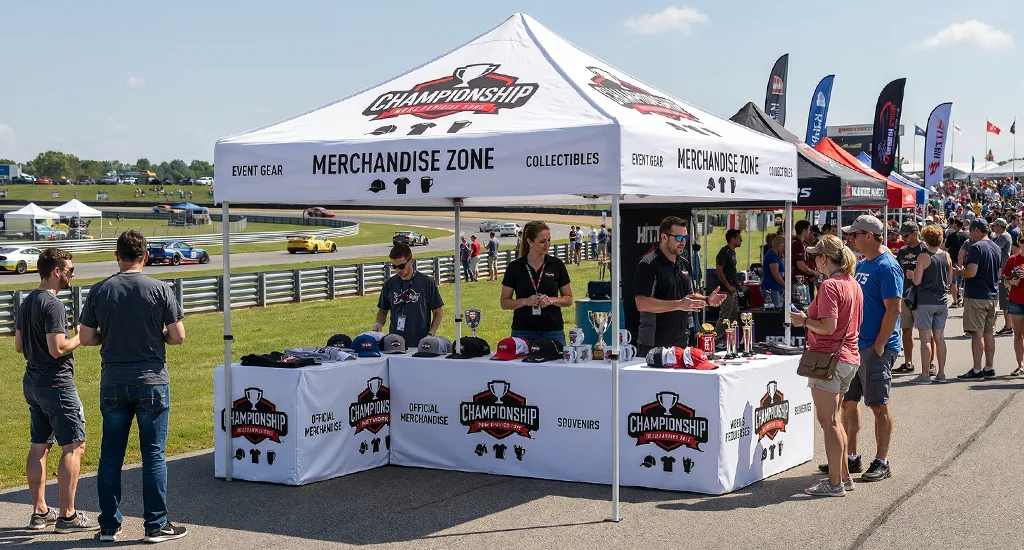
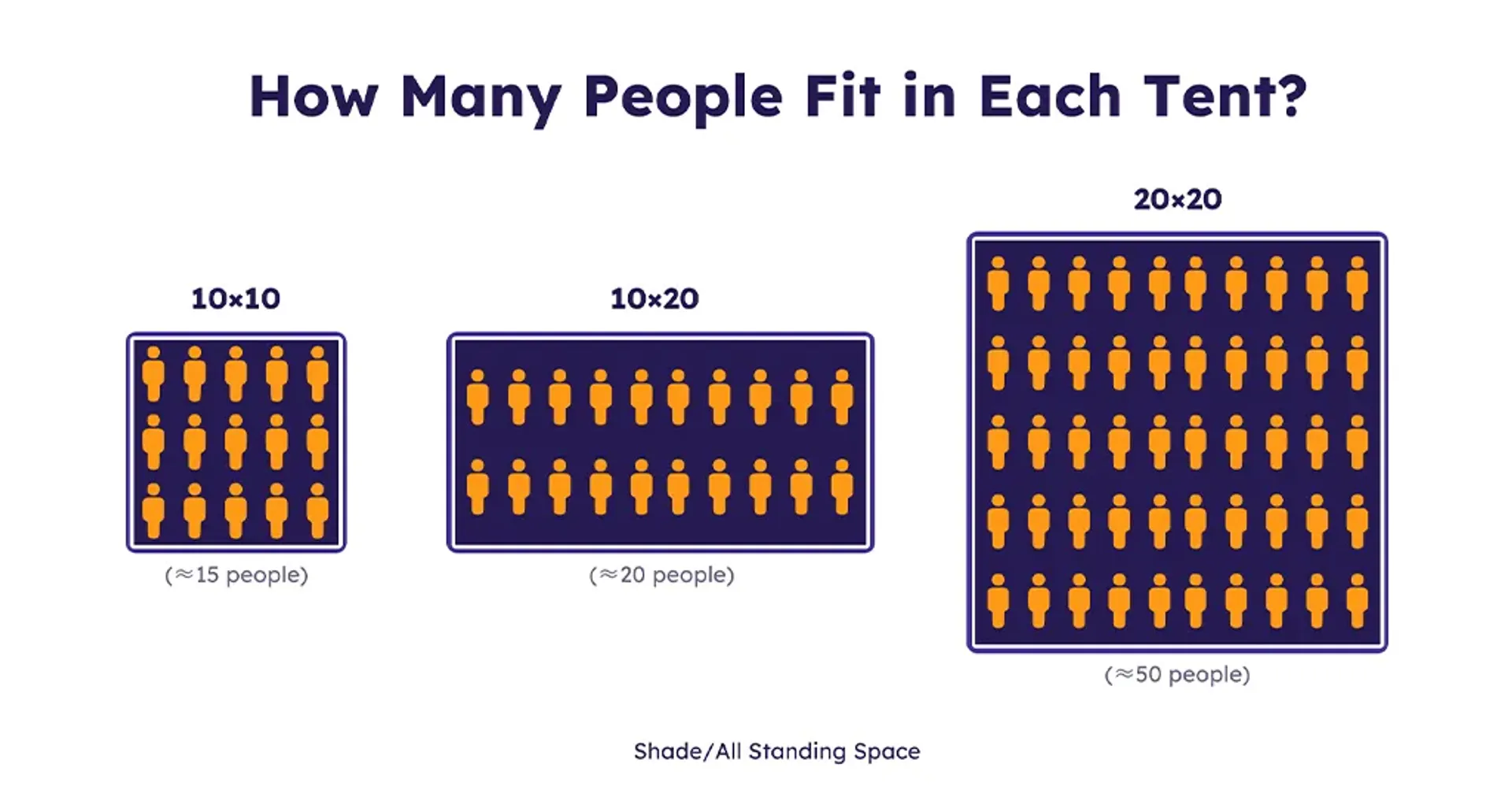
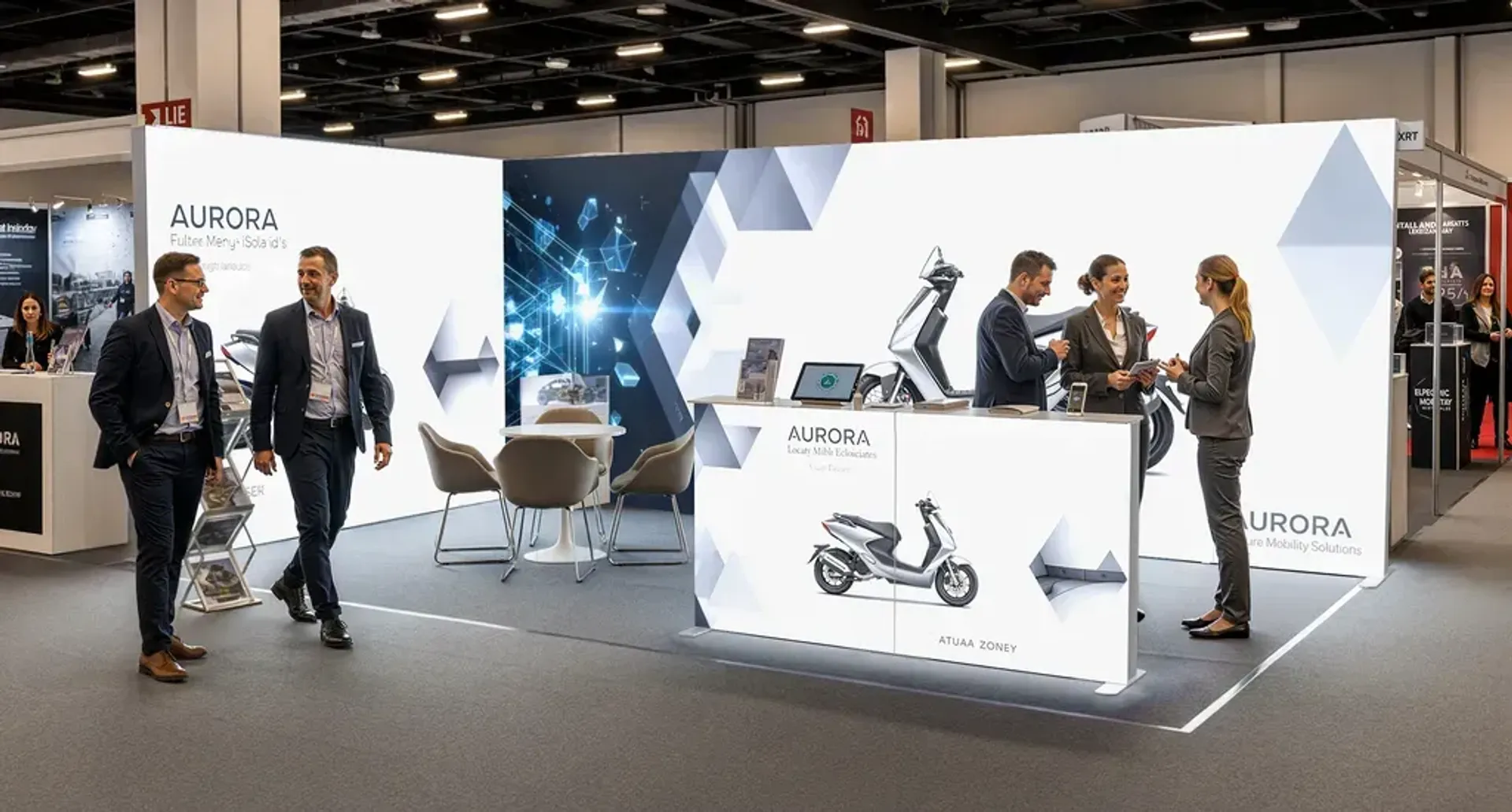
If your booth requires multiple product stations, storage areas, or several staff members, upgrading to a larger custom canopy tent is often the better choice. A 10x15 canopy tent provides noticeably more working space and allows for more flexible layouts, especially when combining display and storage functions.
A 10x20 custom canopy offers enough room for a full retail-style booth setup, where different zones can be clearly separated for browsing, checkout, and inventory storage. It also helps reduce crowding during busy events, allowing customers to move more freely and comfortably inside the booth. In many cases, the additional space directly translates into a more professional presentation and higher engagement.
Conclusion
A 10x10 canopy is best suited for compact, focused booth setups where efficiency matters more than volume. It works extremely well for simple displays and small vendor operations, but it has natural limitations when it comes to complex layouts.
In most real-world applications, one to two tables create the most balanced and effective setup, while anything beyond that should be carefully planned or moved to a larger canopy size.
If you are planning a trade show, outdoor market, or promotional event and want a setup that maximizes both space efficiency and customer engagement, choosing the right custom canopy tent size is critical. You can explore WestShade 10x10, 10x15, and 10x20 custom canopy tent options to find the best fit for your booth layout and boost your lead conversion performance.
FAQ
How many tables can fit under a 10x10 custom canopy tent?
A 10x10 custom tent canopy can fit one to three tables, depending on the layout. A single 6ft table works best for an open-front setup, while L-shaped, U-shaped, or Z-shaped can fit multiple tables for more display space.
What is the best table layout for a 10x10 trade show canopy tent?
For a 10x10 trade show canopy tent, the best layout depends on your business goal. A straight-line setup is ideal for simple product display, while an L-shape layout works well for separating branding, checkout, or demonstration areas.
What size tables work best in a custom pop up canopy tent?
Most vendors using a custom pop up canopy tent choose standard 6ft or 8ft tables because they balance display space and mobility.
When should I upgrade from a 10x10 to a larger custom canopy tent?
If your custom canopy tent booth requires more than four tables, multiple staff members, or separate display and storage areas, upgrading to a 10x15 or 10x20 canopy is recommended.







)