




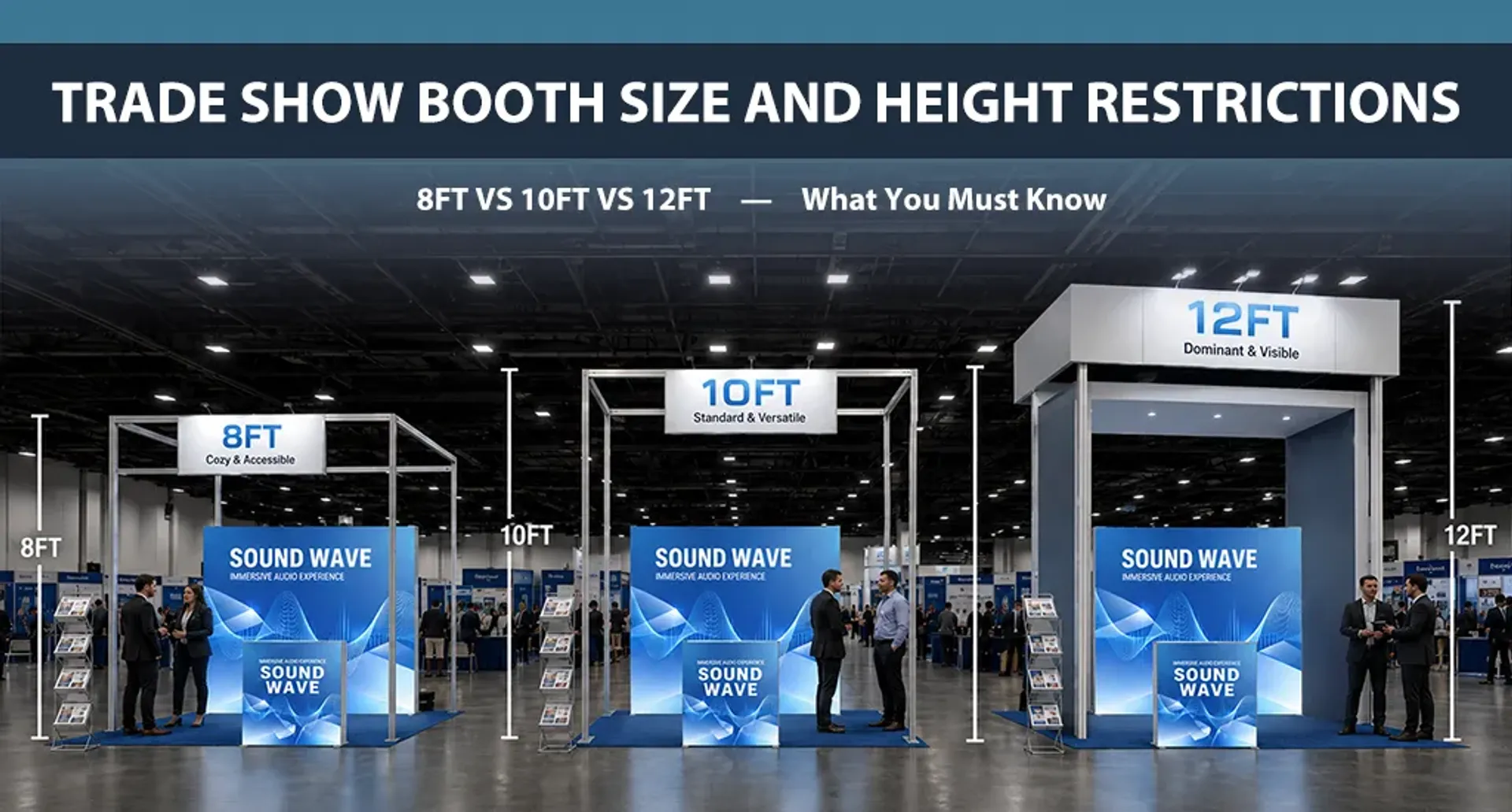
Trade show booth design is not only about creativity and branding—it is also strictly controlled by venue regulations. Two of the most important rules exhibitors must understand are booth size restrictions and booth height restrictions, which directly impact layout, structure, and visibility.
Among these rules, the line-of-sight requirement plays a critical role in how booths are designed, ensuring fair visibility across the entire exhibition floor.
Trade Show Booth Size Restrictions
What Does Booth Size Mean?
Trade show booth size refers to the total floor space allocated to an exhibitor, usually measured by width and depth. This footprint defines the physical boundaries your booth must stay within during the event.
Most trade shows use standard sizing formats, such as 10x10 ft or 10x20 ft, depending on booth type and event layout.
Different trade show booth size solutions include:
-
10x10 ft trade show disolay for compact inline booths
-
10x20 ft trade show disolay for expanded inline setups
-
20x20 ft or larger trade show disolay for island booths
Standard Booth Types and Sizes
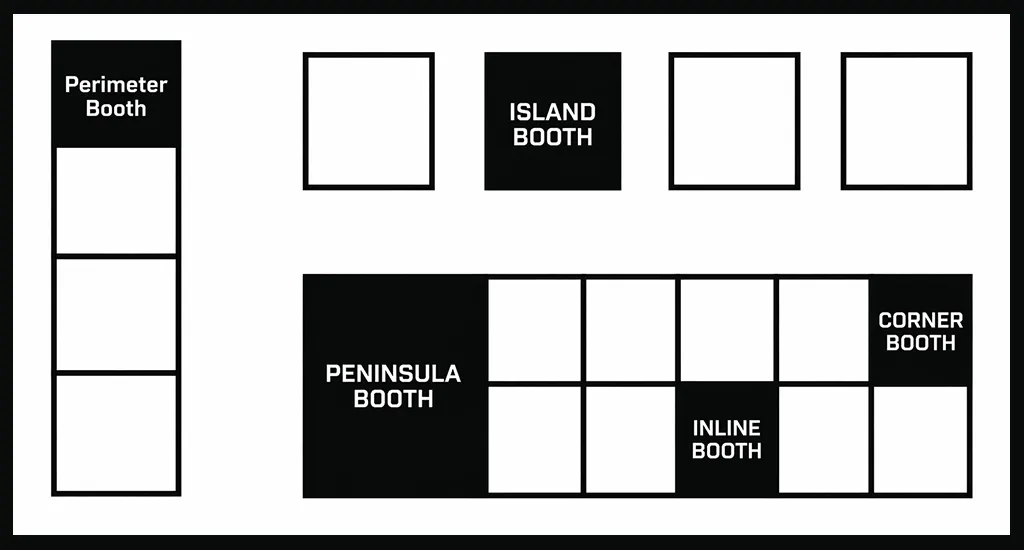
Trade show booth configuration are generally categorized by their location and level of exposure on the exhibition floor. Each type comes with different size expectations and visibility advantages.
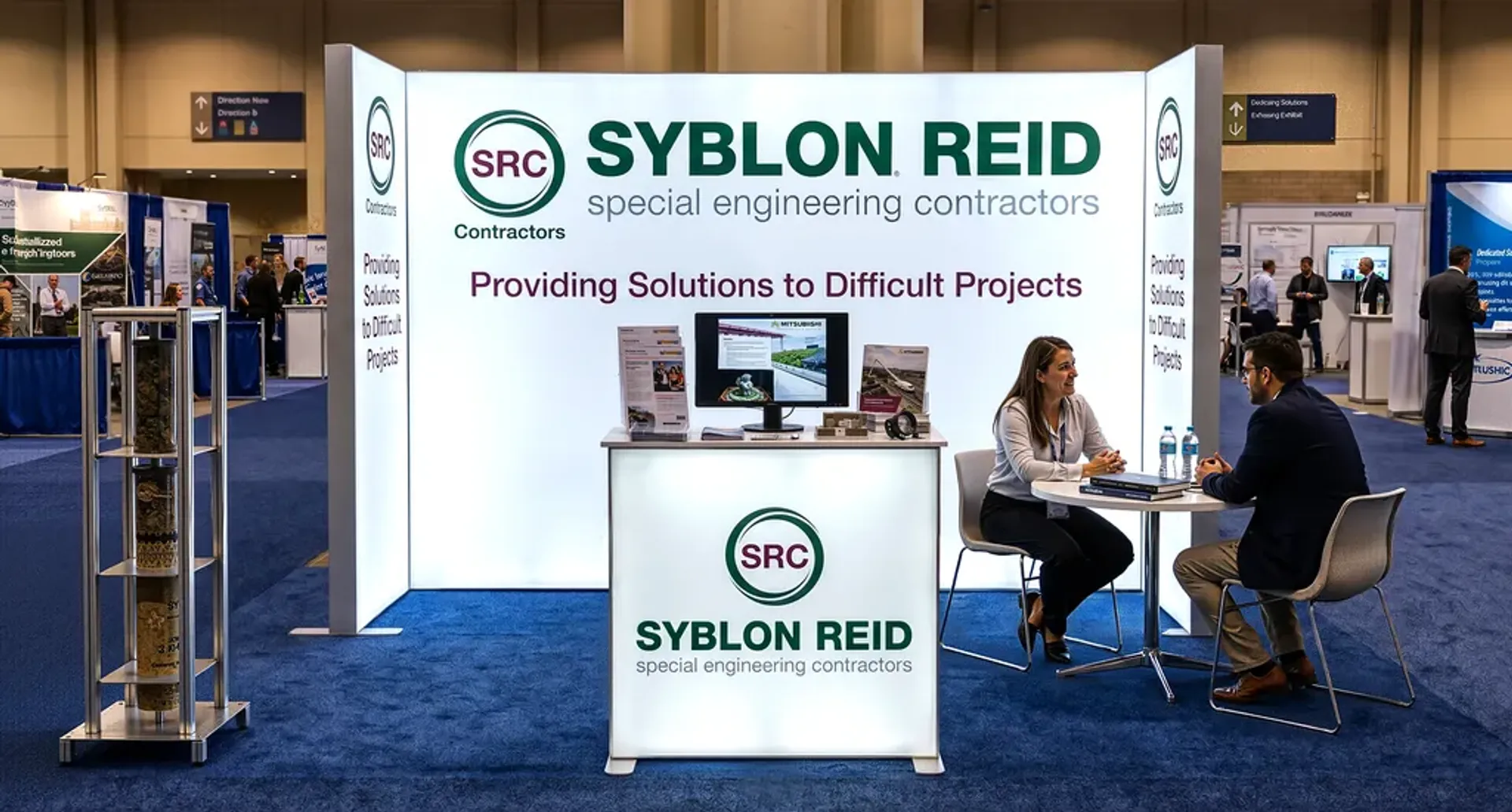
Inline booths: row-based, limited visibility, typically sized at 10x10 ft or 10x20 ft, best for compact setups with strong front-facing branding.
Corner booths: two-side exposure advantage, commonly 10x10 ft or 10x20 ft, ideal for increased traffic from intersecting aisles.
Peninsula booths: three-sided open design, usually starting from 20x20 ft or larger, suitable for more complex product displays and demonstrations.
Island booths: 360° exposure, maximum flexibility, generally 20x20 ft and above, designed for large-scale experiential or branded environments.
Booth Space Boundaries
Booth size is strictly limited to the assigned footprint provided by the organizer. Exhibitors must remain within this space without expanding into surrounding aisles or neighboring booths.
These restrictions are also tied to safety regulations, ensuring proper walking space and emergency access throughout the venue.
Key rules include:
-
All structures must stay within assigned floor space
-
No displays or equipment can extend into aisles
-
Clearance rules may vary depending on venue and fire code
How Booth Size Affects Design Strategy
The size of the booth directly affects trade show booth layout and creative design. Smaller booths require efficiency and vertical branding, while larger booths allow for more immersive and segmented experiences.
-
Small booths prioritize branding visibility
-
Medium booths balance display and interaction areas
-
Large booths allow multi-zone experiential layouts

Trade Show Booth Height Restrictions
Standard Height Limits
Height restrictions vary depending on booth type and venue rules, but most trade shows follow consistent industry standards to ensure fair visibility and safety across the exhibition floor.
-
Inline booths: ~8 ft (2.4 m)
-
Peninsula booths: up to ~16 ft (4.9 m)
-
Island booths: up to ~20 ft (6.1 m)

Front vs Back Height Rules
Height is not applied uniformly across the booth. Most trade shows require a lower profile at the front to maintain visibility and a taller structure toward the back.
-
Front zone: low height (around 3–4 ft)
-
Back zone: maximum allowed height
-
Design must maintain open visibility from aisles
Step-Back Height Strategy
Professional booth designs often use a step-back or layered height approach to balance visibility and branding impact. This creates a natural visual flow from low to high elements.
-
Front: low displays for openness
-
Middle: product interaction and demos
-
Back: branding walls and tall structures
What Is the Line-of-Sight Rule in Trade Shows?
Definition
The line-of-sight rule in trade shows requires exhibitors to maintain clear visibility across aisles by avoiding tall or solid structures near booth edges. This ensures attendees can see into and across neighboring booths without obstruction.
Why Line-of-Sight Rules Exist
The purpose of this rule is to maintain fairness and openness across the exhibition floor. Without it, larger or taller booths could block visibility and dominate surrounding exhibitors.
-
Ensures fair visibility for all exhibitors
-
Keeps aisles open and visually clear
-
Prevents visual blocking between booths
Front-Aisle Visibility Rule
The most important aspect of line-of-sight regulation is controlling visibility at aisle level. Booths must remain visually open in this area to allow natural sightlines across the hall.
-
Front structures must stay low (around 3–4 ft)
-
Tall displays must be set back from aisles
-
Aisle-facing areas must remain open or transparent
What Counts as a Violation
Even if a booth meets height requirements, it can still violate line-of-sight rules if it blocks natural visibility across aisles.
-
Solid walls blocking aisle views
-
Tall structures at booth front corners
-
Fully enclosed booth fronts
How to Comply with Line-of-Sight Rules
Compliant booth design focuses on openness and visual flow rather than enclosure. The goal is to attract attention without blocking visibility.
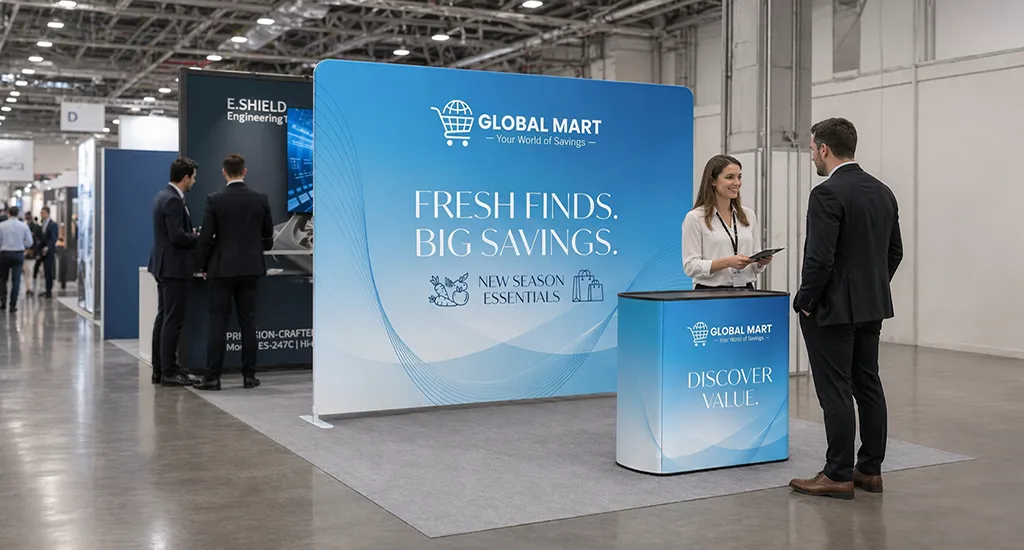
Best practices include keeping the front area open, placing tall structures toward the back, and using partial or transparent materials instead of solid walls. Such as:
-
Keep front area open and low-profile
-
Position tall structures at the back
-
Use open-frame or transparent design elements
Conclusion
Trade show booth design requires a balance between maximizing brand impact and following strict size and height regulations. Understanding booth footprint rules and height limitations is essential, but the most critical factor is the line-of-sight rule, which ensures open visibility across the exhibition floor.
If you’re planning your next exhibition, choosing the right booth system can make compliance much easier while improving your overall presentation.
Explore modular and customizable trade show booth solutions designed for U.S. trade show standards—helping you stay within size and height restrictions while maximizing visibility and branding impact








)