


If your company attends multiple trade shows each year, creating a new booth for every event can quickly become expensive and inefficient.
The challenge is that your display requirements rarely stay the same.
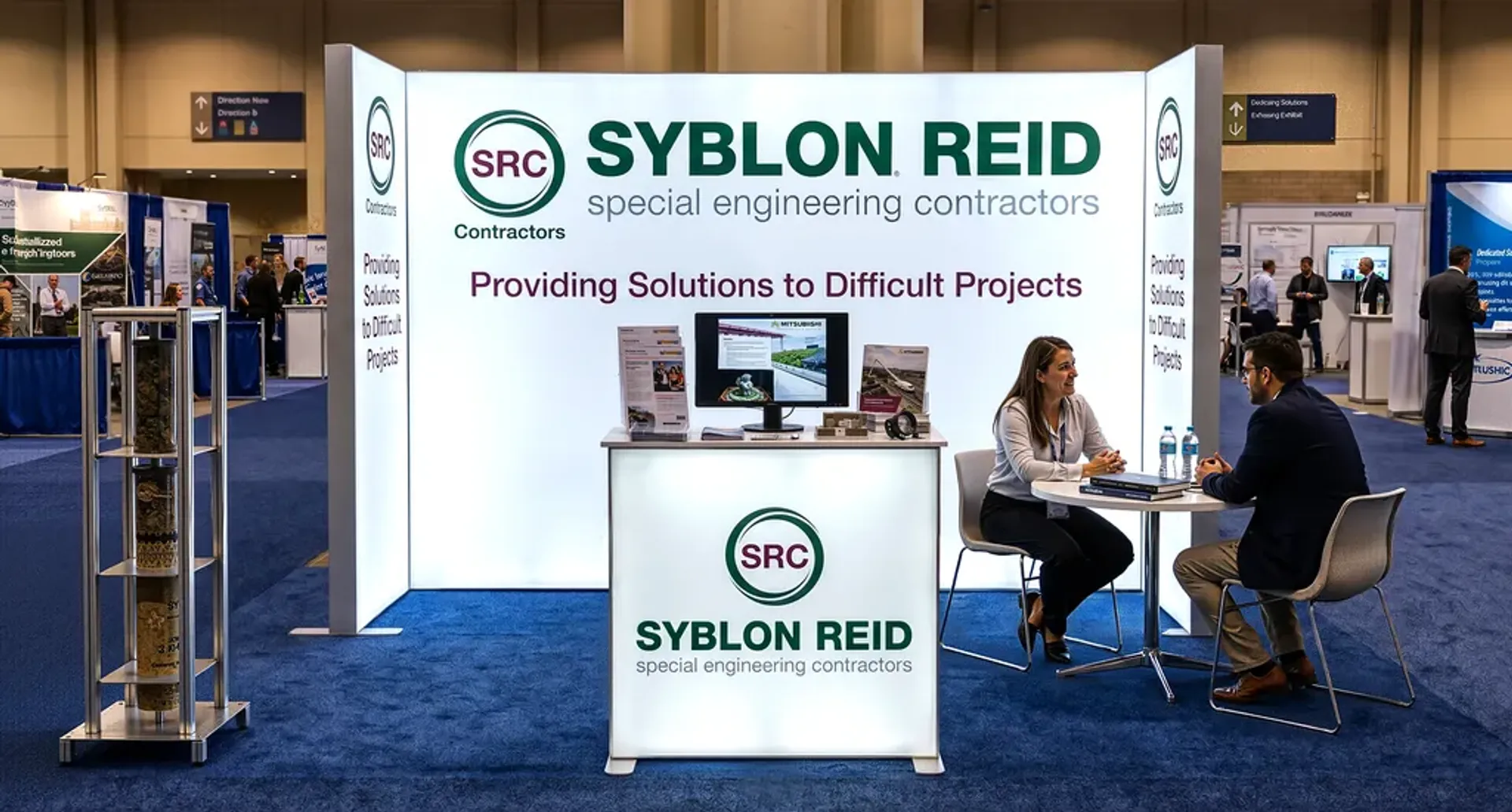
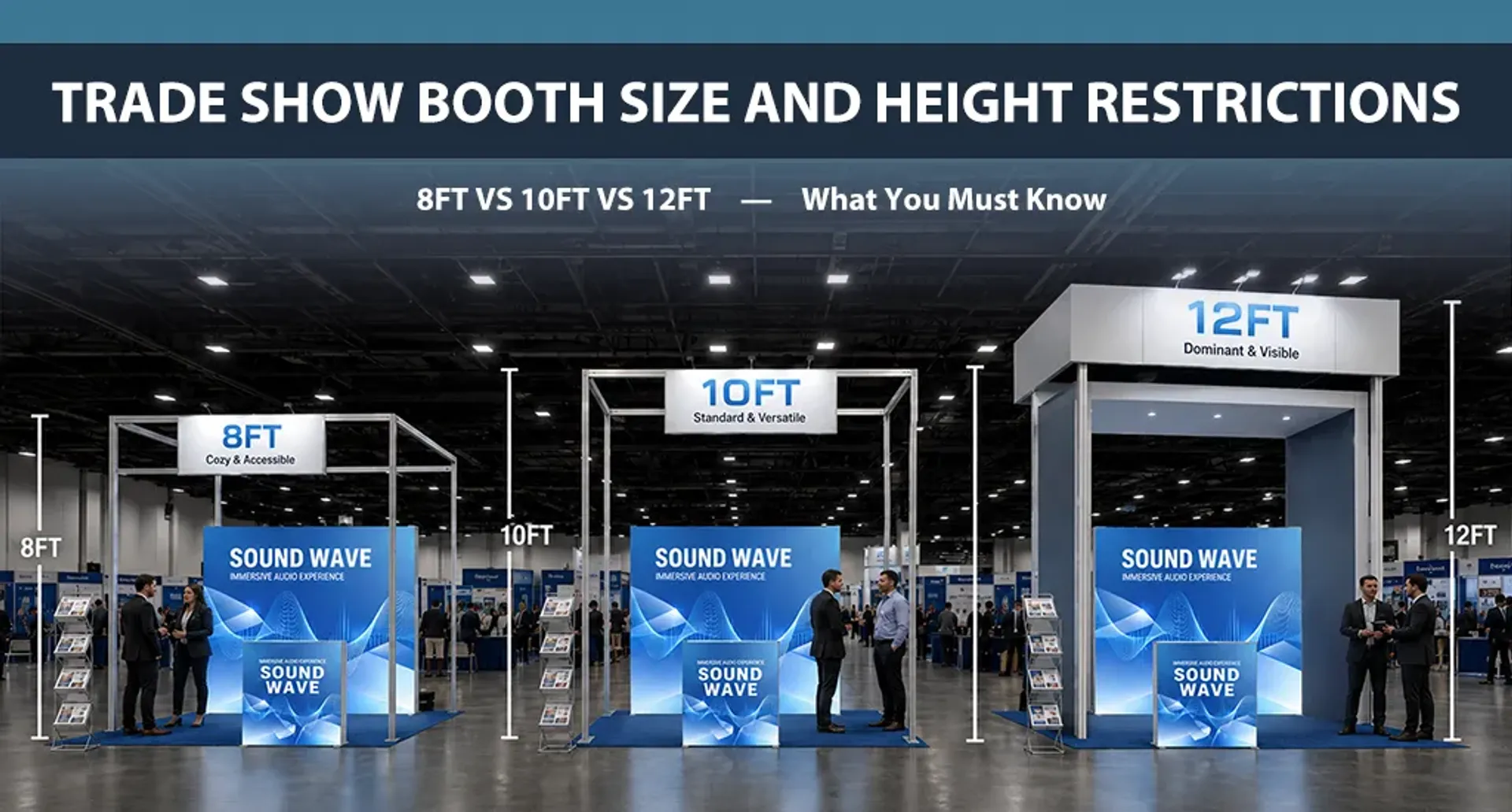
One event may require a compact 10x10 booth focused on lead generation. Another may need a larger 10x20 setup to showcase products. A future event may use a corner booth where visibility from multiple aisles becomes more important.
Instead of purchasing a separate booth for every situation, a better approach is to build a reusable trade show display system.
A reusable system does not mean using the exact same booth layout at every event. It means creating a reliable foundation that can be adjusted with different layouts, graphics, and features as your event needs change.
Here is how to build one.
1. Start With Your Future Events, Not Your Next Booth
The first step is understanding what your display system needs to support.
Before selecting a booth, review the trade shows you plan to attend over the next 6–12 months.
Look at:
-
Booth sizes you commonly use
-
Types of events you attend
-
What visitors need to do inside your booth
For example, a company may attend:
| Event | Booth Size | Main Goal | Visitor Need |
|---|---|---|---|
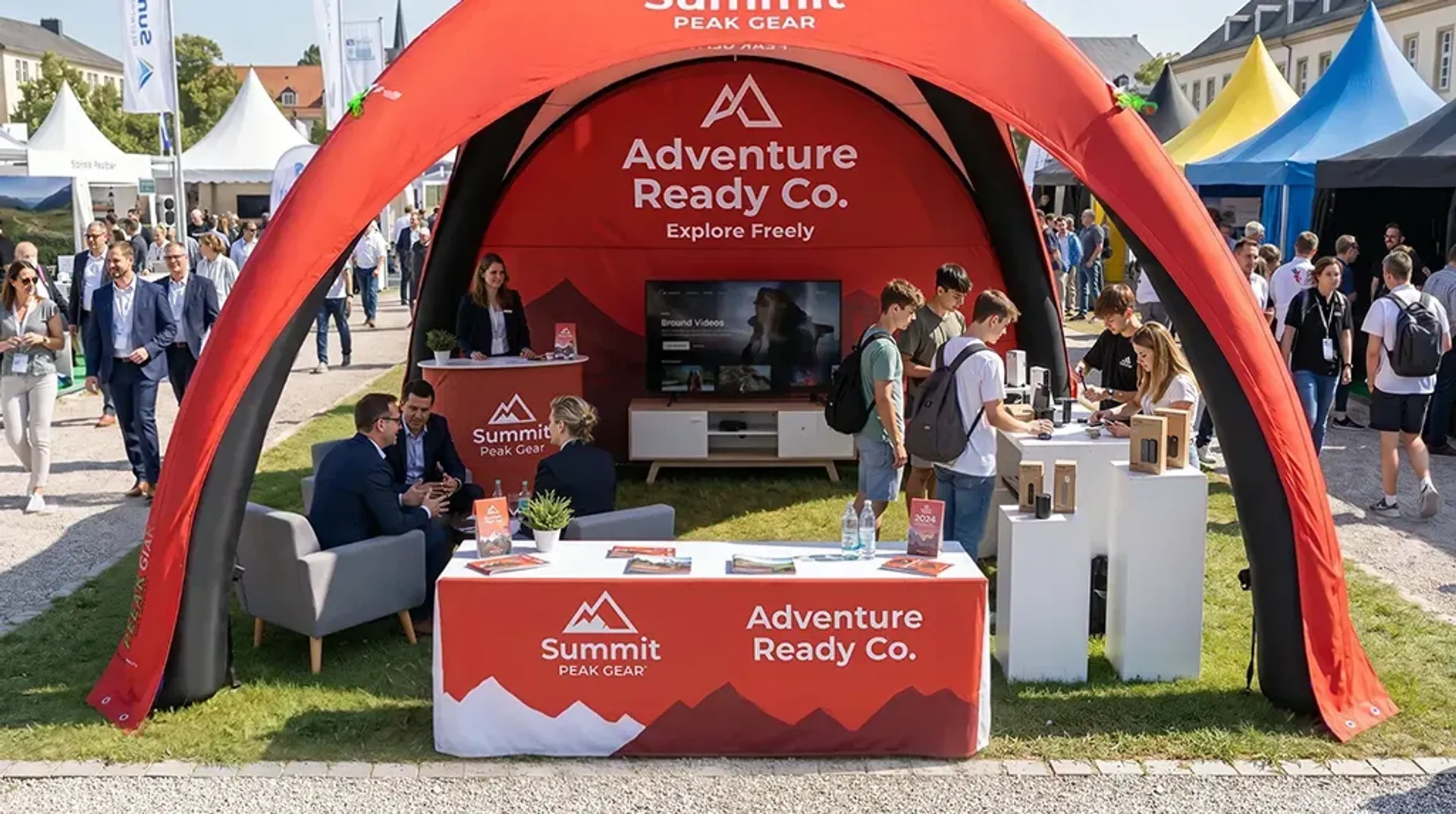
| Outdoor Expo | 10×20 Inline | Product showcase | More space to explore products |
| Dealer Meeting | 10×10 Inline | Partner conversations | Comfortable discussion area |
| Retail Show | 10×10 Corner | Brand awareness | Strong visibility from multiple directions |
After mapping your events, identify what appears repeatedly.
In this example, every event needs:
-
A recognizable brand presence
-
A professional display structure
-
A space for visitor interaction
These repeated requirements should become the foundation of your reusable system.
The goal is not to design around your biggest event.
The goal is to build around what you will use most often.
2. Build Your Display System Around Three Layers
A reusable trade show display works best when you separate what stays consistent from what needs to change.
Think of your system as:
Core Display + Expansion Options + Replaceable Graphics
Layer 1: Create Your Core Display
The core is the part of your booth that should work across most events.
For many exhibitors, this includes the main branded structure and the essential elements needed to create a professional booth presence.
For example, a company attending frequent 10×10 shows may start with a display system that provides:
-
A strong branded backdrop
-
A defined visitor interaction area
-
A consistent company presentation
This creates a recognizable booth experience without requiring a completely new design for every event.
When selecting your core system, focus on whether it matches your most common booth size and whether it can support future adjustments.
Layer 2: Add Flexibility for Different Event Requirements
Your standard booth setup will not always fit every situation.
The purpose of expansion is not simply to make the booth larger. It is to adapt the same system when the event requires a different visitor experience.
For example, a company may use a simple 10×10 booth at a dealer meeting where the main goal is starting conversations with partners.
The same company may attend a 10×20 industry exhibition where visitors expect to see more products and spend more time exploring the booth. Instead of purchasing an entirely new display, the company can adapt the existing system by creating a larger presentation area and adjusting the layout around product interaction.
For a corner booth event, the same display may be arranged differently to improve visibility from two aisles and create easier access for visitors.
The key is planning your display around possible changes before purchasing, rather than trying to modify a booth that was designed for only one situation.
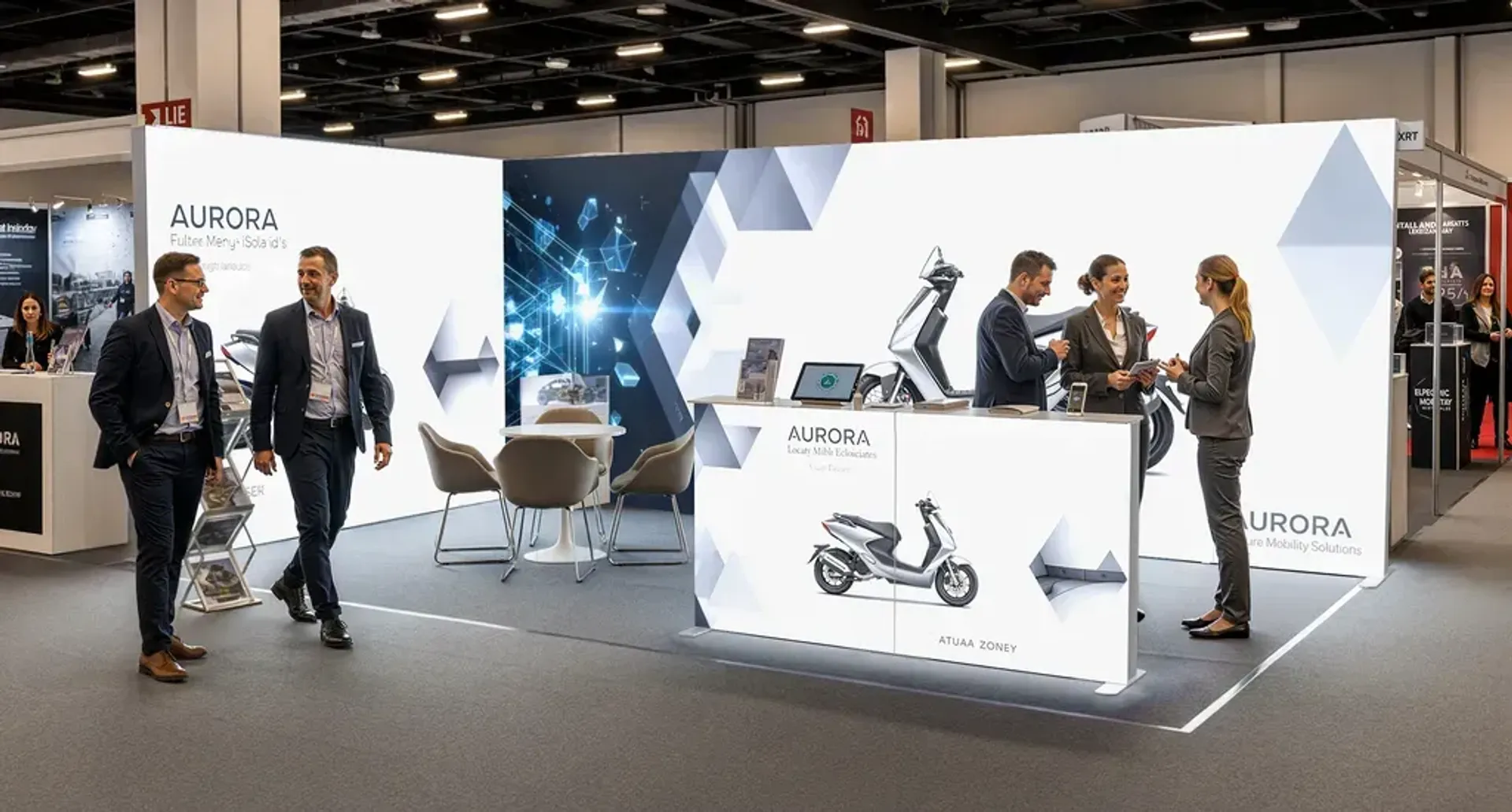
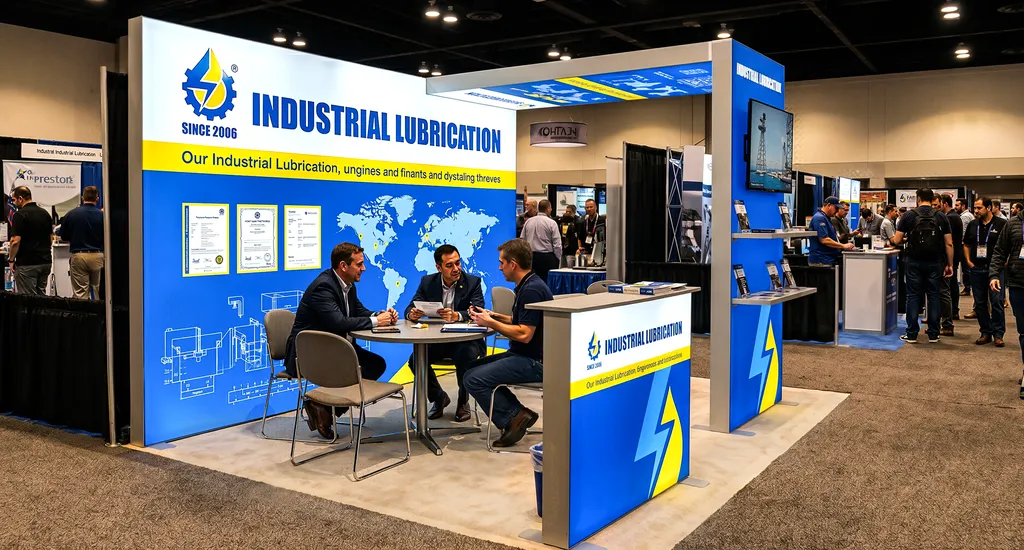
WestShade modular trade show booth solutions are designed for exhibitors who need this type of flexibility, allowing different configurations based on booth size, layout, and event objectives.
Layer 3: Keep Your Graphics Easy to Update
Your booth structure may remain useful for years, but your marketing message will change much faster.
This is why graphics should be planned separately from the hardware.
Your long-term brand elements usually remain consistent, such as:
-
Logo
-
Brand style
-
Company identity
However, your event message may change depending on who you are trying to reach.
For example, the same company may highlight product applications at an industry exhibition but focus on partnership opportunities at a dealer event.
The display structure stays the same.
The message changes.
By separating graphics from hardware, you can refresh your booth appearance without rebuilding the entire system.
3. Create Different Booth Experiences From One System
A reusable display system should allow you to create different setups based on your event goals.
The purpose is not to copy the same booth everywhere. It is to use the same foundation in different ways.
For a 10x10 lead generation booth, the priority is creating an open and approachable space. Visitors should immediately understand your brand and have an easy path to start a conversation.
For a larger 10x20 product-focused exhibition, the same system can be adapted to support a longer visitor journey. Instead of only attracting attention from the aisle, the booth can create more space for product presentation, demonstrations, and deeper conversations.
For a corner booth, the focus changes again. The layout should take advantage of visibility from multiple directions rather than treating the booth like a standard inline space.
A reusable system works because the foundation stays consistent while the experience changes based on the event.
4. Choose the Right Level of Flexibility
More flexibility is not always better.
The right system depends on how often your requirements change.
If your company attends a few events each year with similar booth sizes and similar presentation needs, a simpler display system with replaceable graphics may provide enough flexibility.
For example, a company attending several 10x10 events may only need a consistent branded setup that can be refreshed for different audiences.
However, if your company regularly changes booth sizes, product focus, or event goals, a more configurable system may be a better fit.
For example, companies moving between 10x10 and 10x20 booths may benefit from a system that can adapt as their presentation requirements grow.
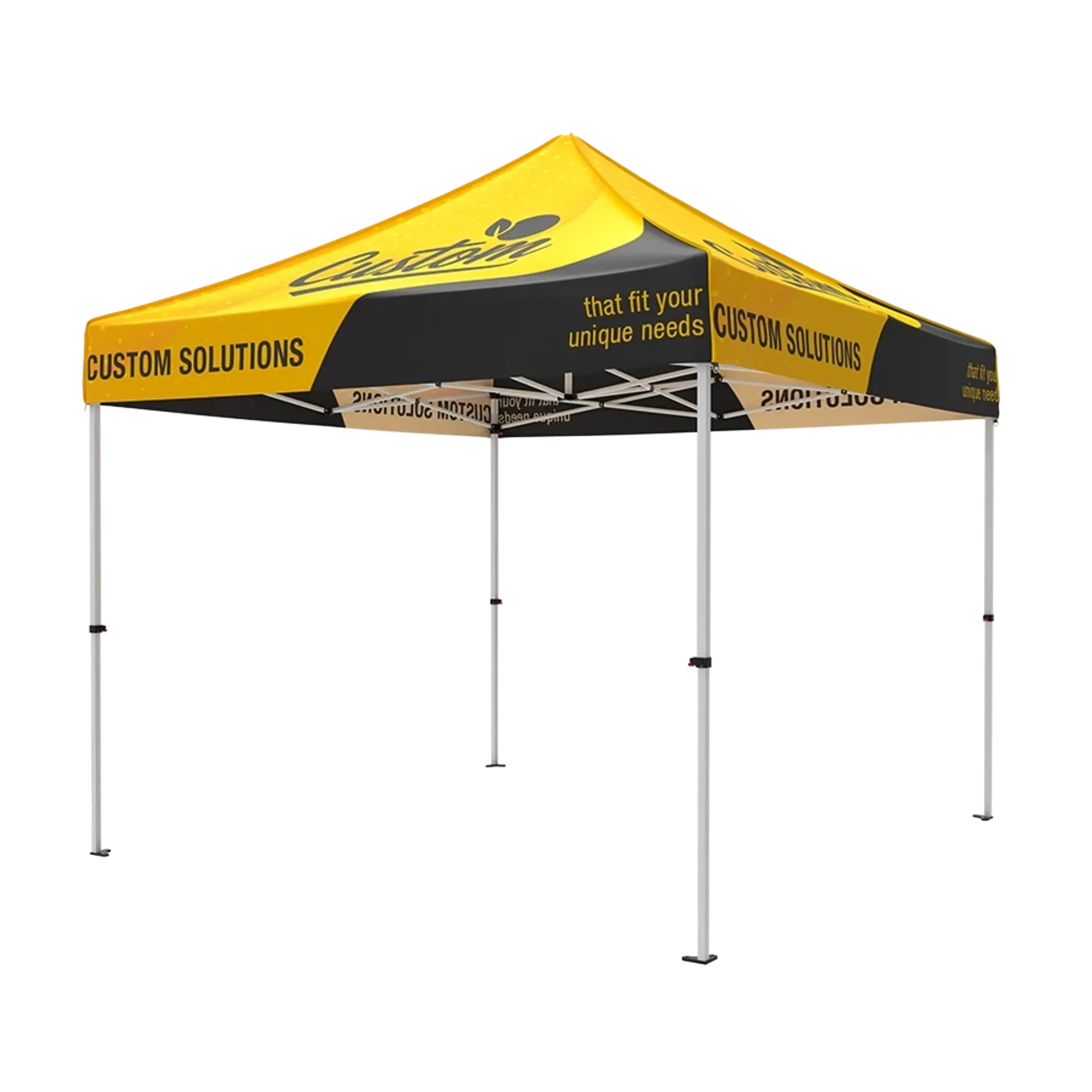
WestShade offers different trade show display solutions, including tension fabric, portable, backlit, and modular systems. The right choice depends on how frequently you exhibit, how much your setup changes, and how much flexibility you actually need.
The goal is not to buy the most advanced system.
The goal is to build a system that matches your real event schedule.
5. Create a Repeatable Process for Every Event
Once your display system is built, each new event should become a configuration decision instead of a completely new booth project.
Before each show, review:
-
What is the purpose of this event?
-
What booth space will you have?
-
What message should visitors see?
-
What parts of your system need to change?
For example, the same company may use the same core display throughout the year but adjust the graphics and layout depending on whether the event focuses on product sales, partnerships, or brand awareness.
This approach reduces unnecessary redesign and helps your team prepare more efficiently for each event.
Example: One Display System Supporting Multiple Events
A company invests in a reusable trade show display system instead of purchasing separate booths.
At a 10x10 dealer meeting, the company uses the standard configuration because the main goal is creating a professional space for conversations.
When the company attends a larger 10x20 industry exhibition, it adapts the same system to create a stronger product presentation area and support more visitor interaction.
Later, at a 10x10 corner booth event, the company changes the layout direction and messaging so the booth can attract attention from multiple aisles.
The company does not need three different booths.
It creates three different event experiences from one planned display system.
Build a Trade Show Display System That Works Beyond One Event
A reusable trade show display system is not simply a booth that can be assembled multiple times.
It is a planned combination of:
-
A reliable foundation
-
Flexible adjustments
-
Replaceable messaging
Start by reviewing your future events. Identify what will remain consistent, what will change, and how much flexibility your company actually needs.
With the right approach, one display system can support different booth sizes, audiences, and marketing goals without starting from scratch every time.
WestShade provides modular, tension fabric, backlit, and portable trade show display solutions designed for companies that need flexible setups across multiple events.
Explore WestShade Trade Show Booth Solutions and build a display system designed to support your next event — and the many events that follow.