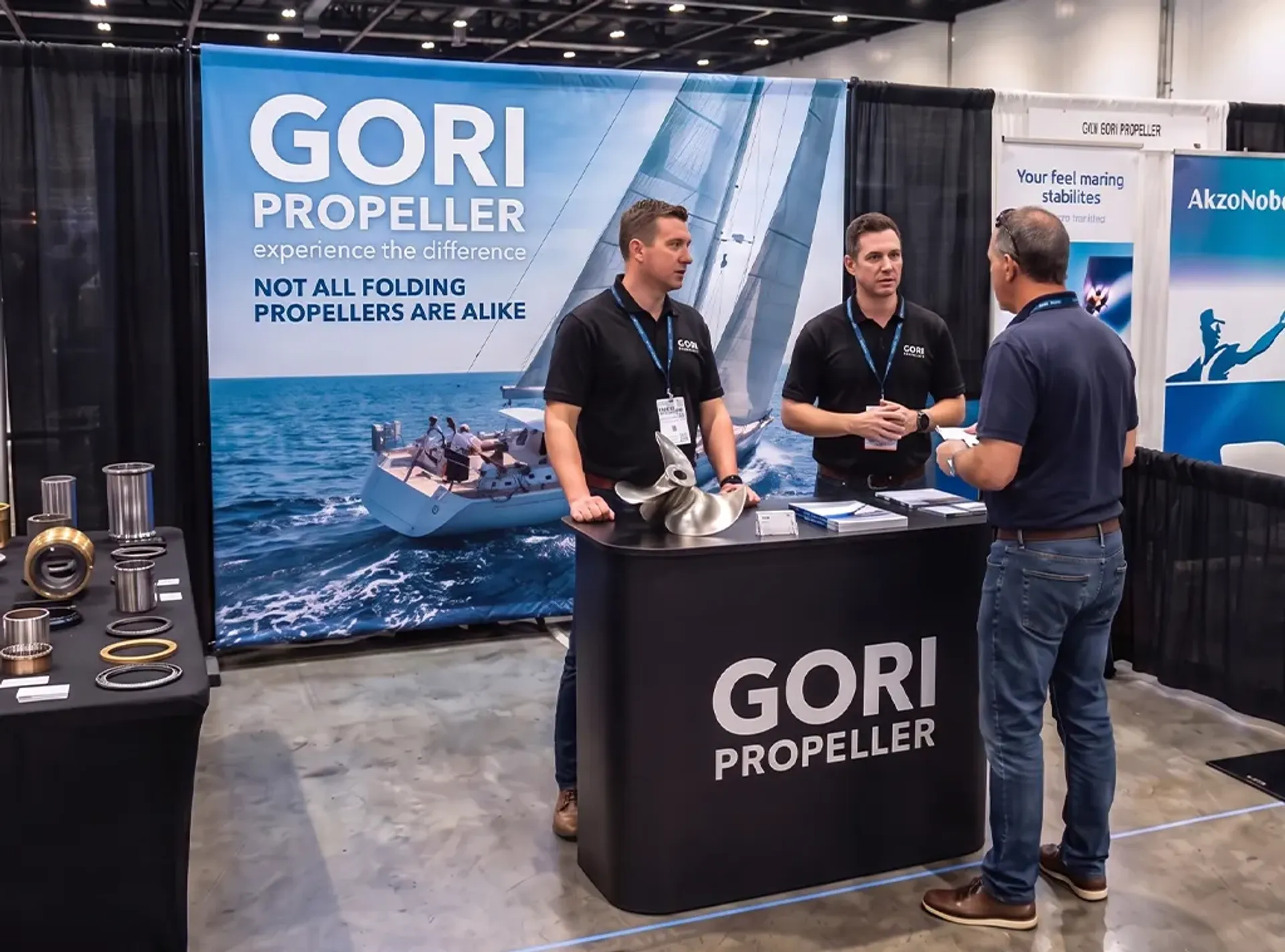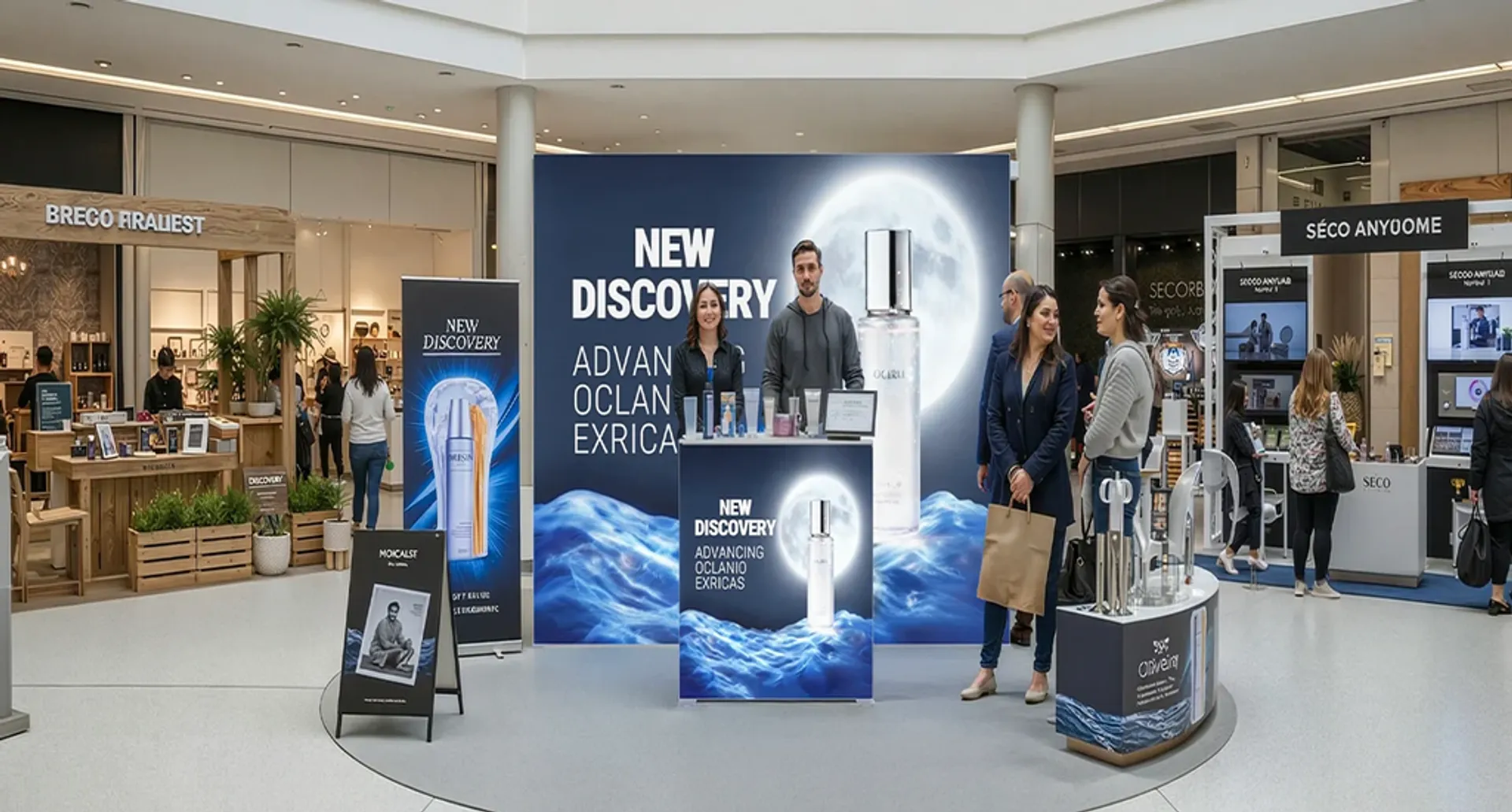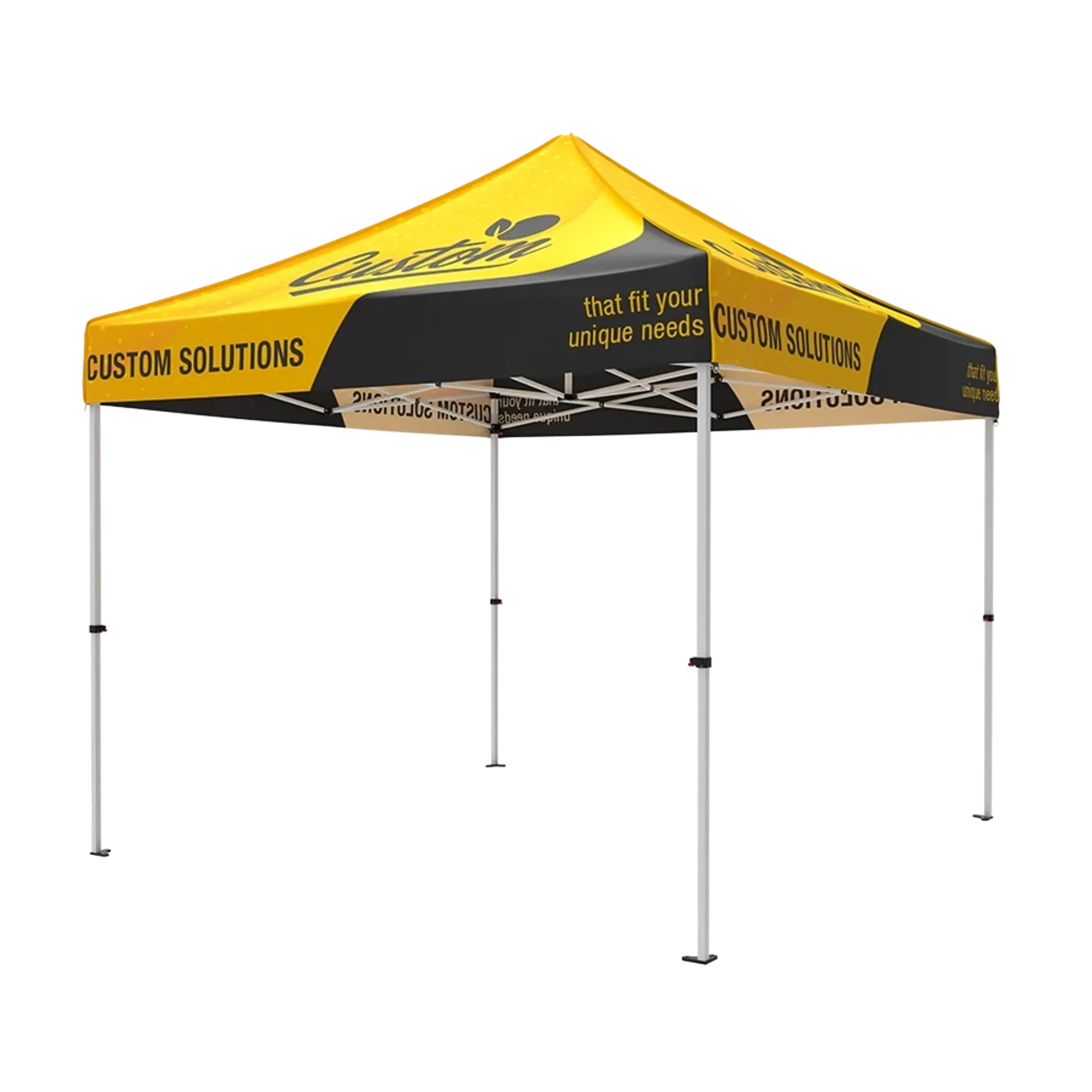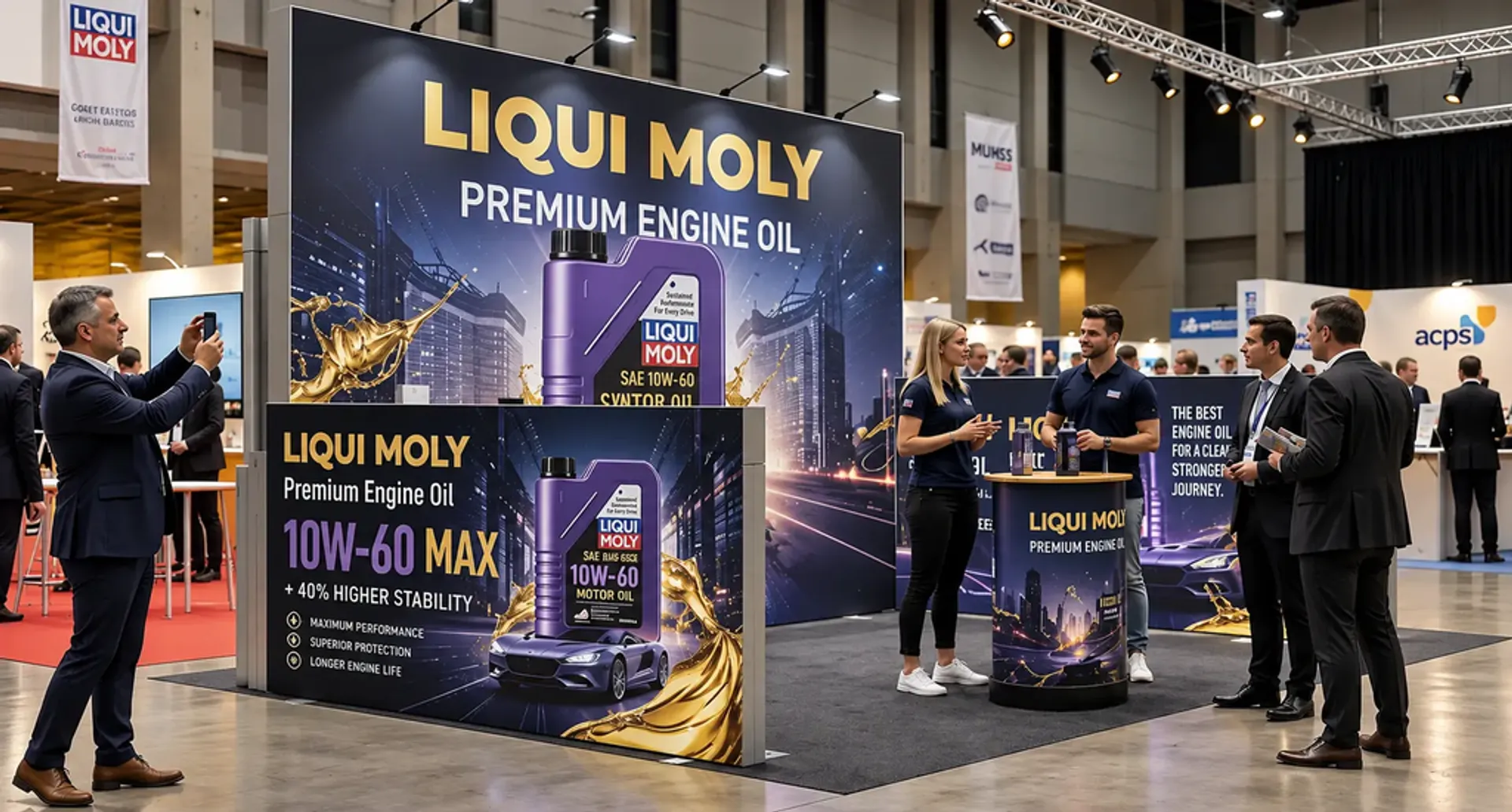






You often have only a few seconds to capture a visitor's attention at a busy trade show. With rows of exhibitors competing for the same audience, your booth needs to do more than simply occupy a 10x10 space—it needs to communicate who you are and give people a reason to stop.
However, not every company has the budget, time, or resources for a custom-built exhibit. Many exhibitors need a portable trade show display solution that can be transported easily, set up quickly, and reused across multiple events without adding unnecessary complexity.
That's where pop up displays become a practical choice. Designed for portability and efficiency, they allow businesses to create a branded booth presence with lightweight structures, customizable graphics, and simple installation.
In this guide, we'll explore how pop up displays work, why they remain a popular option for exhibitors, and how to choose the right display solution for your next trade show.
What Is a Pop Up Display Made Of?
Imagine your team is attending a two-day industry conference in another city. The venue provides a standard 10x10 booth space, but you still need a way to make your brand visible, display your message clearly, and create a professional place for conversations with potential customers.
You could invest in a large custom exhibit, but that often means higher costs, complicated shipping, and additional setup requirements. For many exhibitors, especially those attending multiple events throughout the year, a more flexible option makes better sense.
For many exhibitors, this is where pop up displays provide a practical alternative.
A pop up display is a portable trade show display system that uses a lightweight expandable frame and custom graphics to create a branded booth backdrop. It allows exhibitors to transform an empty booth space into a professional-looking display area without the logistics of a full custom exhibit.
A typical pop up display includes three main elements:
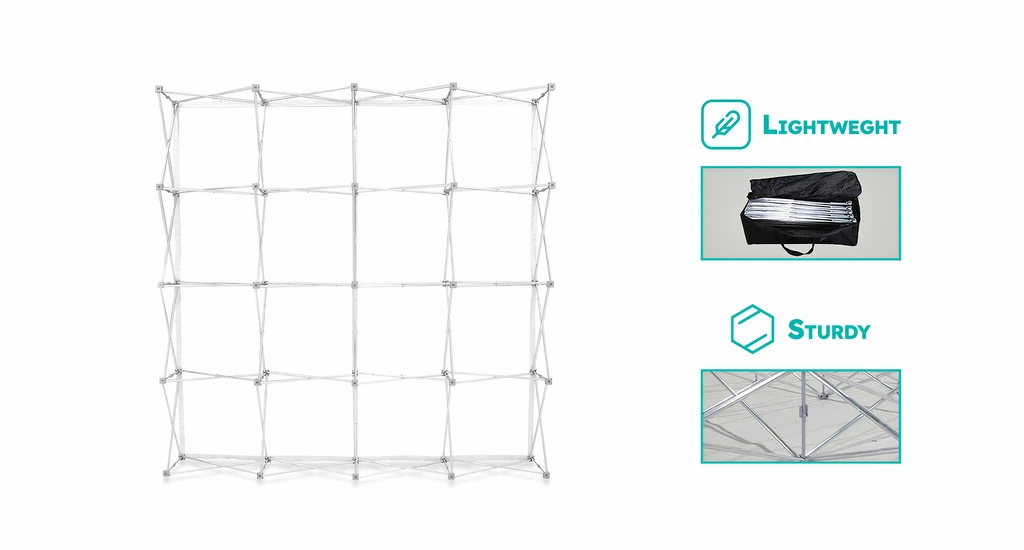
1. Frame System
The frame is the structural foundation of a pop up display. Most modern systems use lightweight aluminum because it provides a balance between strength, portability, and corrosion resistance.
Unlike heavier steel frames, aluminum frames are easier to transport between trade shows while remaining durable enough for repeated setup and dismantling. The expandable scissor-style structure allows the frame to unfold quickly without requiring specialized tools or professional installers.
For companies exhibiting multiple times each year, a durable frame is often a better long-term investment because the same structure can be reused while only replacing the graphics when branding or product messaging changes.
2. Custom Graphics
Printed graphics are what transform the frame into a branded trade show display. Most pop up displays today use dye-sublimated polyester fabric because it produces vibrant colors, reduces glare under exhibition lighting, and can be folded for transportation without permanent creases.
Unlike rigid graphic panels, fabric graphics are lightweight and easier to replace when marketing campaigns or product lines change. This allows exhibitors to reuse the same frame across multiple events while updating only the printed graphic, reducing long-term exhibition costs.
To achieve the best visual results, graphics should use high-resolution artwork and maintain consistent brand colors across all display components.
3. Accessories
Although a pop up display can function as a standalone backdrop, many exhibitors add accessories to improve booth functionality.
A branded counter provides a convenient place for brochures, product samples, or lead collection, while LED lighting helps highlight graphics in exhibition halls with uneven lighting conditions. Literature racks, monitor mounts, and shelving can also be added depending on the products being showcased.
The advantage of these accessories is that businesses can gradually expand their booth without replacing the main display system.
Why These Components Matter for Trade Show Exhibitors
Although a pop up display appears to be a simple backdrop, its performance depends on how well these components work together.
A lightweight frame reduces transportation effort, high-quality fabric graphics improve brand presentation, and modular accessories allow the booth to adapt to different exhibition environments.
For businesses attending several trade shows each year, this combination offers an effective balance between portability, professional appearance, and long-term reusability.
Why Pop Up Displays Are a Practical Choice for Trade Shows
For many exhibitors, preparing for a trade show involves more than creating an attractive booth. Teams also need to consider how the display will be transported, set up, stored, and reused after the event.
Pop up displays have become a popular option because they help businesses create a professional booth presence while keeping the entire event process easier to manage.
1. Reduce Setup Time for Small Exhibition Teams
For many exhibitors, booth preparation is handled by the same employees who are responsible for meeting customers during the event.
A sales representative attending a regional conference, for example, may need to transport the display, prepare the booth before opening, and still have enough time to organize product samples and marketing materials. In this situation, a display that requires complicated installation can create unnecessary pressure before the show even begins.
Pop up displays help simplify this process through an expandable frame system and pre-designed graphics. Instead of managing complex booth construction, teams can create a professional backdrop with a more straightforward setup process.
This makes pop up displays particularly suitable for small businesses, regional exhibitors, and companies attending events where internal teams handle booth preparation themselves.
2. Simplify Transportation for Companies Attending Multiple Events
For businesses attending multiple trade shows throughout the year, transportation can become one of the biggest factors when choosing a display solution.
Large exhibits often involve more planning, including freight coordination, storage requirements, and additional handling. These factors can become challenging when a company attends events in different cities or sends smaller teams to manage each show.
A portable pop up display provides a more flexible option. The same display system can be transported between venues, stored between events, and reused for different exhibitions.
For example, a company attending several regional industry conferences can maintain consistent branding across locations without investing in a new booth setup for every event.
3. Adapt to Different Events Without Rebuilding Your Booth
Trade show requirements often change from one event to another. A company may attend a large industry exhibition one month and a smaller regional conference the next, with different booth sizes, audiences, and marketing messages.
Instead of replacing the entire display system each time, businesses can reuse the same pop up display frame while updating graphics to match different products, campaigns, or events.
This flexibility is especially useful for growing companies that attend multiple shows throughout the year and need a display solution that can adapt as their marketing needs evolve.
4. Offer a Middle Ground Between Banner Stands and Custom Exhibits
A basic banner stand may be easy to transport but often provides limited space for branding and messaging. On the other hand, a fully customized booth offers more possibilities but requires greater investment and planning.
Pop up displays provide a balance between these two options. With custom graphics, counters, or lighting accessories, businesses can create a polished booth environment while keeping setup and logistics manageable.
However, pop up displays are not designed for every situation. If your goal is to create a private meeting environment or showcase large machinery, a pop up display may not provide enough space or structure. In those cases, modular or custom exhibits may be a better fit.
For exhibitors looking for a reusable, portable, and professional display option—especially for standard booth spaces such as 10x10 or 10x20 exhibits—pop up displays offer a practical solution for many trade show environments.
Straight vs. Curved Pop Up Displays: What's the Difference?
Both straight and curved pop up displays use the same portable frame system and can be set up quickly for trade shows. The biggest difference is not portability—it's how each display presents your brand and how visitors experience your booth.
Rather than asking which style is "better," a more useful question is: Which one matches the way you exhibit?
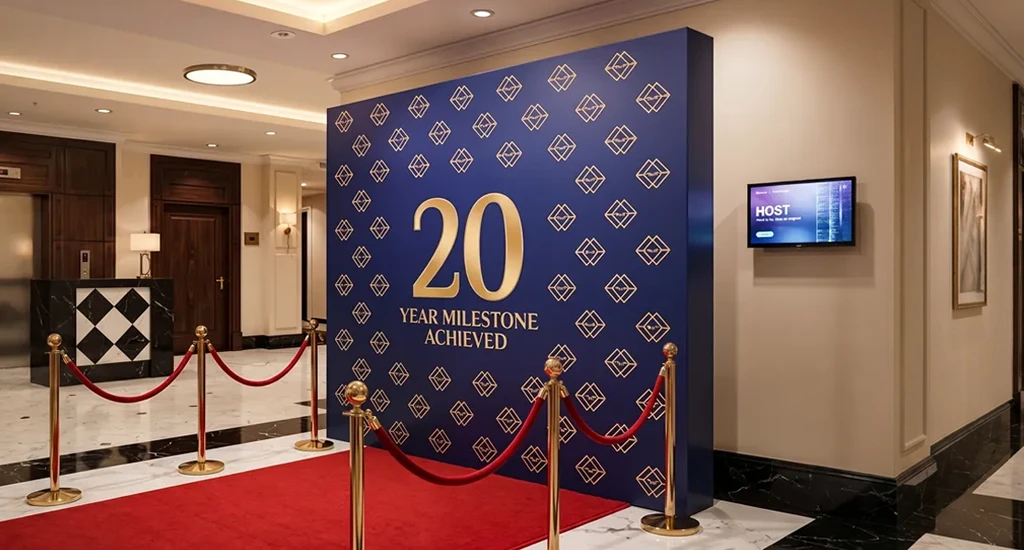
Straight Pop Up Displays: Best for Clear Product Communication
A straight pop up display provides a flat, uninterrupted graphic surface, making it ideal for businesses that need to communicate information clearly. The layout gives designers more flexibility to display product images, technical diagrams, certifications, or multiple product categories without visual distortion.
This style is commonly chosen by exhibitors in industries such as manufacturing, industrial equipment, software, and B2B services, where visitors often want to understand products before starting a conversation.
If your goal is to explain what your company does within a few seconds, a straight display usually offers the most effective canvas.
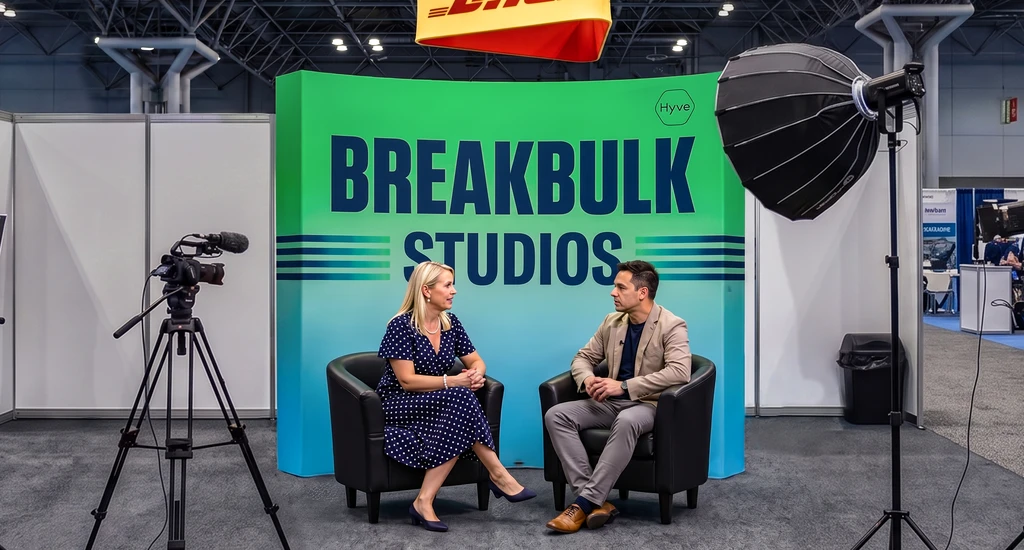
Curved Pop Up Displays: Best for Creating a More Inviting Booth
A curved pop up display uses a gently arched frame that adds depth to the booth and softens the overall appearance. While the graphic area is similar, the curved shape naturally directs attention toward the center of the display, making the booth feel more open and approachable.
This design is often preferred by brands that rely on visual presentation, such as healthcare, education, hospitality, consumer products, or lifestyle brands, where creating a welcoming first impression is just as important as displaying information.
For exhibitors who expect visitors to stop, browse, and start conversations, a curved backdrop can help create a more engaging booth environment.
If your booth also includes a product table, samples, or a demonstration area, an 8ft display may create a more balanced layout. If the backdrop is your primary branding element, a 10ft display usually provides stronger visual impact.
How to Choose the Right Pop Up Display
Choosing the right pop up display isn't just about selecting a size or shape. The best display should fit your booth space, support your marketing goals, and work with the way your team exhibits. Before making a decision, consider the following four questions.
1. How Much Booth Space Do You Have?
For a standard 10x10 booth, both 8ft and 10ft displays work well—but they create different experiences.
-
8ft leaves extra room for a table, product samples, or visitor conversations.
-
10ft creates a nearly full-wall graphic, making it a stronger choice if brand visibility is your priority.
Based on our experience helping exhibitors choose trade show displays, Westshade often recommend an 8ft display for exhibitors who need additional space for product demonstrations, while a 10ft display is a popular choice for businesses prioritizing full-width branding in a standard 10X10 booth.
2. What Is Your Primary Marketing Goal?
If your booth focuses on explaining products, specifications, or services, a straight pop up display provides a clean layout for graphics and messaging.
If your goal is to create a more welcoming booth that encourages visitors to stop and engage, a curved pop up display offers a softer, more inviting presentation.
3. Will You Use It for Multiple Events?
If you attend several trade shows each year, choose a display that can be reused across different venues. A durable pop up display with replaceable graphics is often a better long-term investment than buying a new setup for every event. In our experience, many exhibitors update their graphics every one to two years while continuing to use the same frame for much longer.
4. Who Will Set Up the Booth?
If your sales or marketing team usually handles setup themselves, portability and simple assembly become just as important as appearance. Choosing a display that's easy to transport and install can save valuable time on show day.
Quick Recommendations
| Your Priority | Recommended Display |
|---|---|
| Maximize graphic space | Straight |
| Create a more inviting booth | Curved |
| Leave room for demos or conversations | 8ft |
| Maximize branding in a 10x10 booth | 10ft |
The best pop up display is the one that matches your booth size, marketing goals, and exhibition style—not necessarily the biggest one.
Find the Right Pop Up Display for Your Next Event
After understanding the differences between display styles and sizes, the next step is finding a solution that fits your booth requirements.
At Westshade, based on our experience working with trade show exhibitors, we offer 8ft and 10ft straight and curved pop up displays designed for exhibitors who need a portable, professional, and reusable booth solution.
Whether you are preparing for a local conference, industry trade show, or multi-event marketing program, our displays provide a practical way to create a consistent brand presence without the complexity of a custom exhibit.
Explore our pop up display options to compare sizes, styles, and configurations for your next event.
Frequently Asked Questions About Pop Up Displays
Are pop up displays reusable?
Yes. With a durable frame and replaceable graphics, pop up displays can be reused for multiple trade shows, conferences, and promotional events.
How long does it take to set up a pop up display?
Most pop up displays are designed for quick assembly without professional installation, making them suitable for exhibitors who manage booth setup themselves.
What size pop up display is best for a 10x10 booth?
An 8ft display provides more space for conversations or product demonstrations, while a 10ft display offers greater graphic coverage and stronger brand visibility.
Should I choose a straight or curved pop up display?
Straight displays are better for clear product messaging, while curved displays create a more inviting booth appearance and encourage visitor engagement.
How much does a pop up display cost?
They work well for businesses needing a portable and professional booth solution. Companies requiring large meeting areas or complex exhibits may need a different display system.
Conclusion
Choosing the right pop up display comes down to understanding how you plan to exhibit—not simply choosing the largest size or most noticeable design.
Whether you need a compact solution for regional events or a larger backdrop for stronger brand visibility, the right display should support your team, fit your booth space, and help you create a consistent presence across different shows.
At Westshade, we provide 8ft and 10ft straight and curved pop up displays designed for businesses that want a professional trade show setup without unnecessary complexity.
If you are unsure which size or style fits your next event, our team can help you compare options based on your booth space, display goals, and exhibiting plans.
Explore Westshade pop up displays and find a solution that works for your next trade show.