Content
How Canopy Color Affects Temperature Inside a Tent?
What Color Canopy Is Best for Heat?
Do Black Canopies Get Hotter Than Other Colors?
Choose the Best Canopy Color for Your Events

How Canopy Color Affects Custom Tent Temperature?

Dec 26, 2025
7 Minutes Read
0 Views
custom canopy tent for street booth

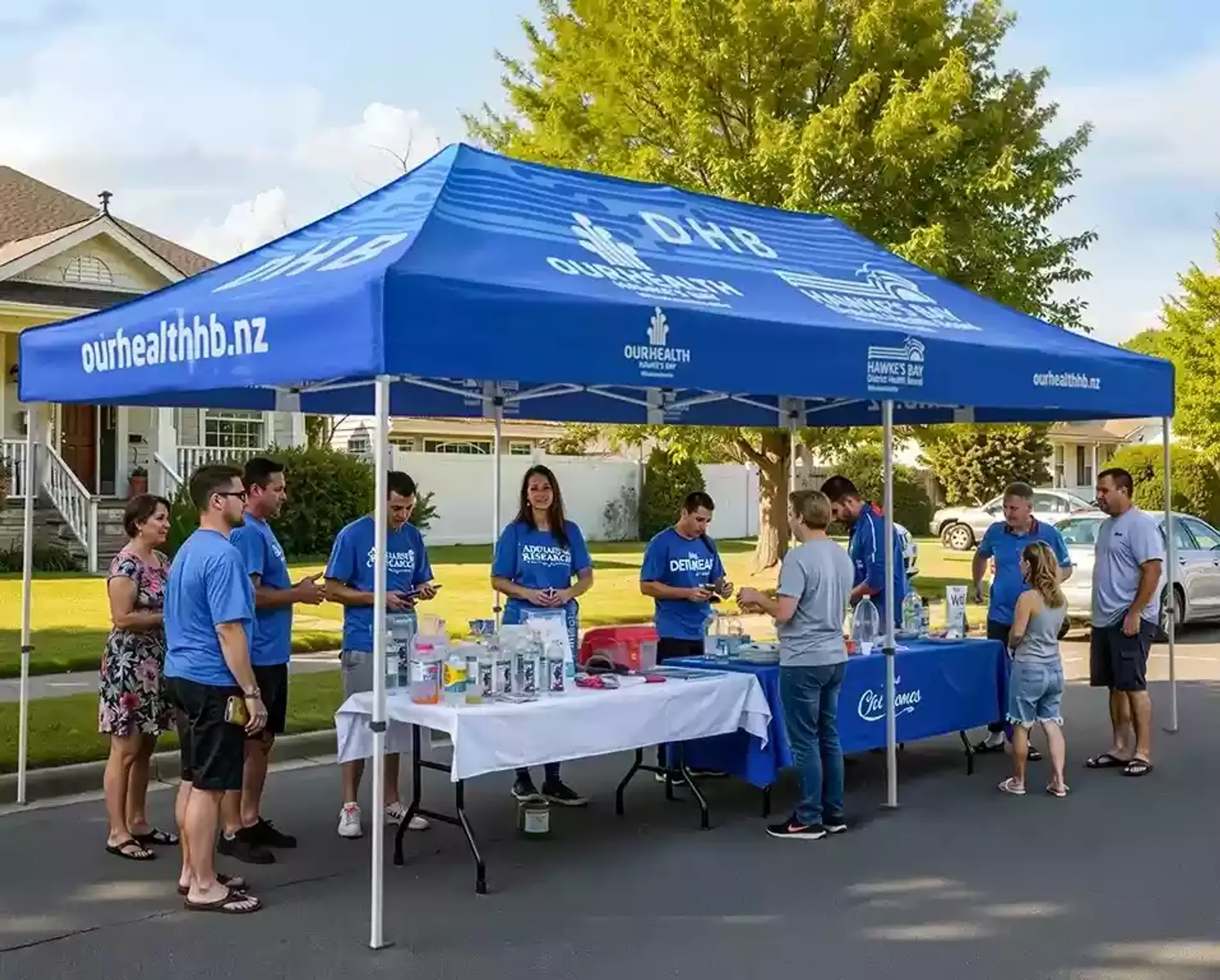
When planning an outdoor event, most people focus on size, frame strength, and branding. However, canopy color is often overlooked. In reality, color plays a major role in how hot or comfortable a tent feels, especially during sunny days. Whether you’re using a custom canopy tent for markets, trade shows, festivals, or promotional events, the right color choice can significantly impact temperature, comfort, and usability.

In this guide, we’ll explain how canopy color affects temperature inside the tent, which colors perform best in hot weather, and how to choose the ideal roof color for outdoor use.
How Canopy Color Affects Temperature Inside a Tent?

The temperature inside your tent is largely determined by a physics concept called Solar Heat Gain. When sunlight hits your canopy, the fabric does one of three things: it reflects the energy, transmits it through to the other side, or absorbs it.

  • Dark colors absorb more solar radiation and convert it into heat.
  • Light colors reflect more sunlight, reducing heat buildup inside the tent.

The more solar energy a canopy absorbs, the warmer the fabric becomes, and that heat is then transferred to the air beneath the tent. This is why two tents of the same size and material can feel significantly different in temperature simply due to canopy color. In direct sunlight, color alone can influence interior temperatures by several degrees, enough to noticeably impact comfort for people standing or working under the tent for extended periods.

What Color Canopy Is Best for Heat?

If heat reduction is your top priority, lighter canopy colors perform best.

White canopies are especially popular for outdoor markets and summer events because they reflect the most sunlight and create a brighter, cooler interior environment. Silver, light gray, and light pastel shades can also perform well, particularly when paired with UV-resistant or reflective coatings.

These colors are ideal for:

  • Outdoor markets and vendor booths
  • Summer festivals
  • Trade shows in sunny locations
  • Sporting events and community gatherings

In hot climates or peak summer conditions, choosing a light-colored canopy can noticeably improve comfort and reduce heat stress for staff and visitors. This doesn’t mean you’re limited to plain or solid-colored tarps.

add logo to a plain tent

Custom-printed tents can achieve similar cooling benefits by using thicker, higher-quality fabrics that provide better insulation. By selecting a lighter base color for your canopy design, you can maintain full branding while still minimizing heat buildup.

Do Black Canopies Get Hotter Than Other Colors?

The short answer: Yes. Black canopies absorb the most UV radiation, which leads to:

  • Higher surface temperatures on the canopy fabric.
  • Increased heat transfers into the tent interior.
  • Reduced comfort during extended sun exposure.

Other dark colors, such as navy blue, dark green, maroon, and charcoal, also absorb more heat than light shades, though typically slightly less than black ones.

larger team tent

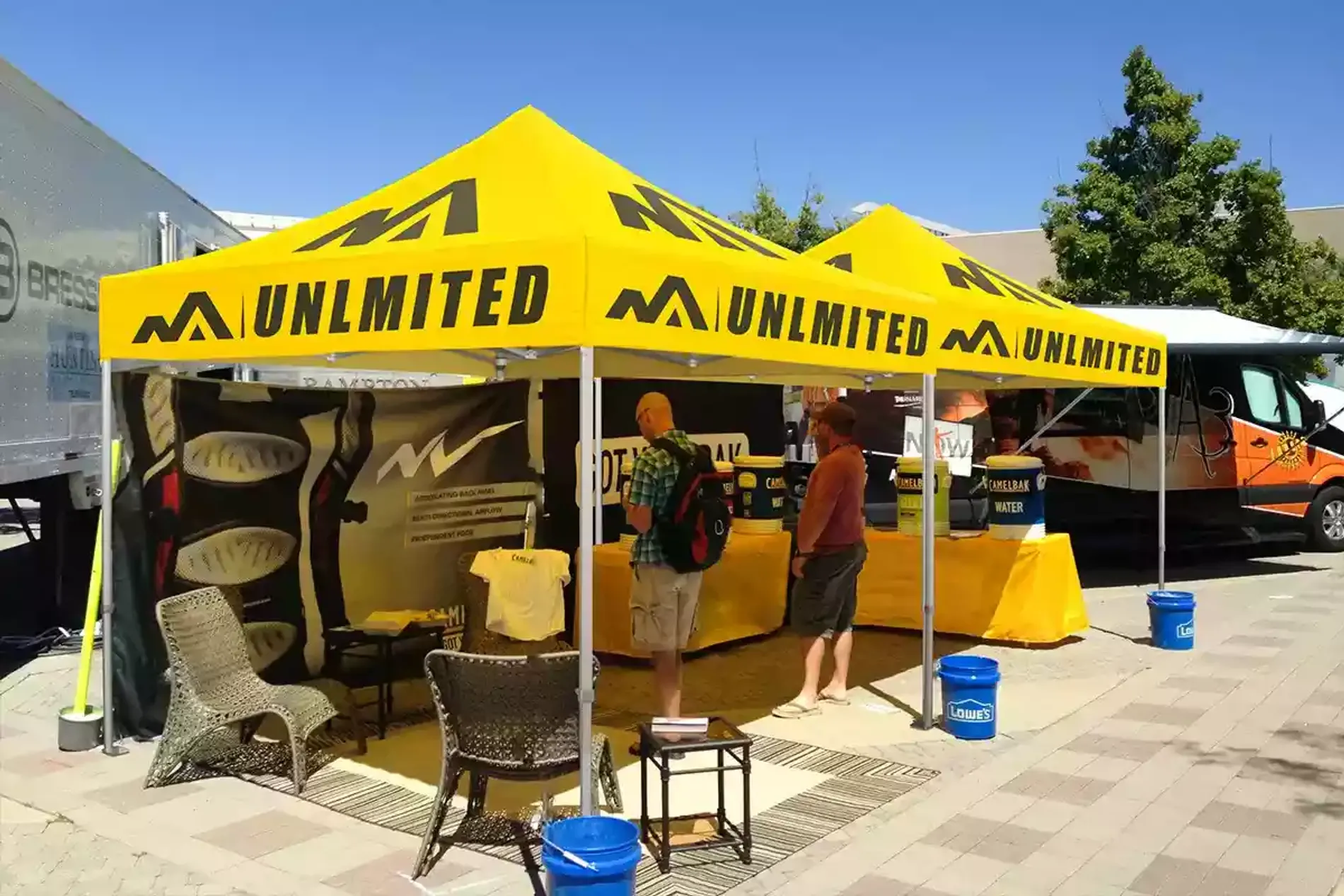
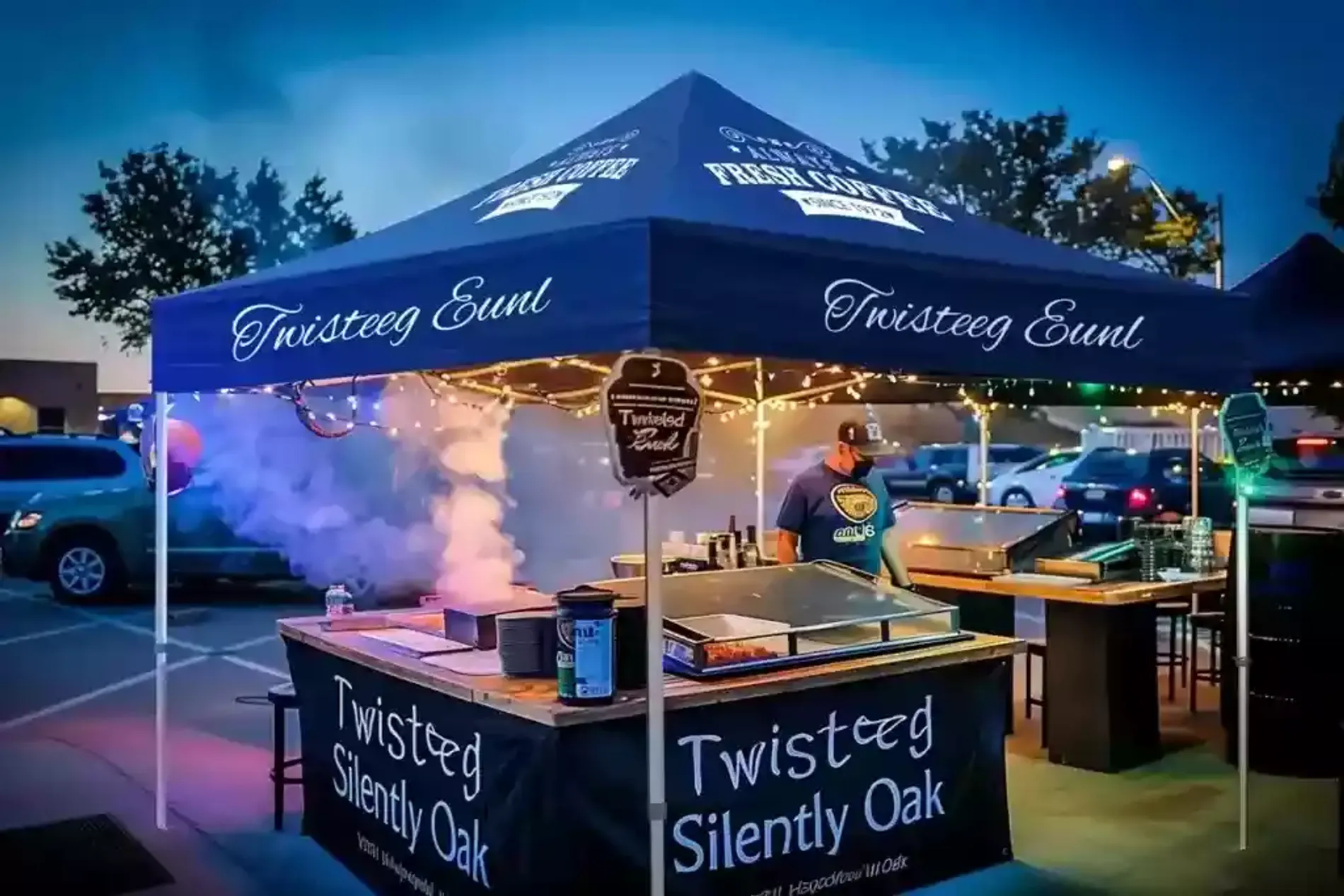
However, black tents aren't all bad. They provide a high-contrast backdrop that makes slogans or bright logos "pop," and they are excellent at hiding dirt and scuff marks from frequent setup. If you choose a black or dark-colored canopy, heat can often be reduced with proper ventilation, thicker fabric, or UV-blocking materials.

Other Factors That Affect Tent Temperature

While canopy color is important, it’s not the only factor that influences how hot a tent feels. Here are some other factors in the "comfort equation":

1. Fabric Thickness and Material

Heavier fabrics and higher-denier materials tend to provide better insulation and UV protection, helping to reduce heat penetration. PVC or vinyl tends to trap more heat than breathable polyester.

However, solid-colored tents often use more basic fabrics. This is one reason custom-printed canopies are recommended. A custom logo canopy allows you to select thicker roof materials while also creating a more distinctive, professional brand presence.

2. UV Coatings and Reflective Layers

uv rays to canopy-min

UV-resistant or heat-reflective coatings can significantly reduce solar heat gain, even on darker-colored canopies. That’s why choosing a canopy with a high UV protection rating is important. It delivers better shade, protects the fabric from harmful UV exposure, and prolongs the life of your tent.

3. Ventilation and Airflow

Mesh panels, vented peaks, or open sides allow hot air to escape and improve airflow, lowering perceived temperature. In summer, it’s best to avoid fully enclosed tents, as enclosing all four sides can trap heat. In contrast, fully enclosed setups are more suitable for a winter canopy tent, where retaining warmth is beneficial.

4. Canopy Height

Larger tents with higher peaks allow heat to rise away from occupants, making the space feel cooler.

Choose the Best Canopy Color for Your Events

Choosing the ideal canopy color for outdoor use is not just about appearance—it directly affects comfort, performance, and usability. Lighter canopy colors reflect more sunlight and help reduce heat buildup, making them better suited for hot climates and long daytime events. Darker colors, while visually striking, tend to absorb more heat and are generally more appropriate for cooler conditions or short-term use.

Beyond temperature control, canopy color also plays an important role in branding and visibility. The key is finding the right balance between functional comfort and visual impact. In many cases, combining lighter canopy backgrounds with bold printed graphics can help maintain strong branding while still improving heat performance.

This is where custom printed canopy solutions make a difference. With custom options, you’re not limited to basic fabrics or standard colors. You can choose thicker canopy materials, UV-resistant coatings, and color designs tailored to your environment and brand needs. A well-designed custom canopy not only stays more comfortable outdoors but also helps your brand stand out at events, markets, and trade shows.

 
iconHigh quality materialPremium material
iconFree design service
iconProfessional printing methodsExpert print techniques
iconFast turnaround timesFast turnaround time

If you’re looking to create a canopy that balances heat control, durability, and eye-catching design, explore Westshade custom canopy options today. Our customizable solutions are built to perform in real outdoor conditions while showcasing your brand with confidence.

Related articles
Design Your Canopy Tent with Westshade
Experience high quality materials and various custom options.
We offer the perfect canopy tent tailored to your needs.
newsletter
Newsletter
Join the newsletter to receive the latest updates in your inbox.
Quick Sharing
facebook
mail
twitter
pinterest
Contents
blog